
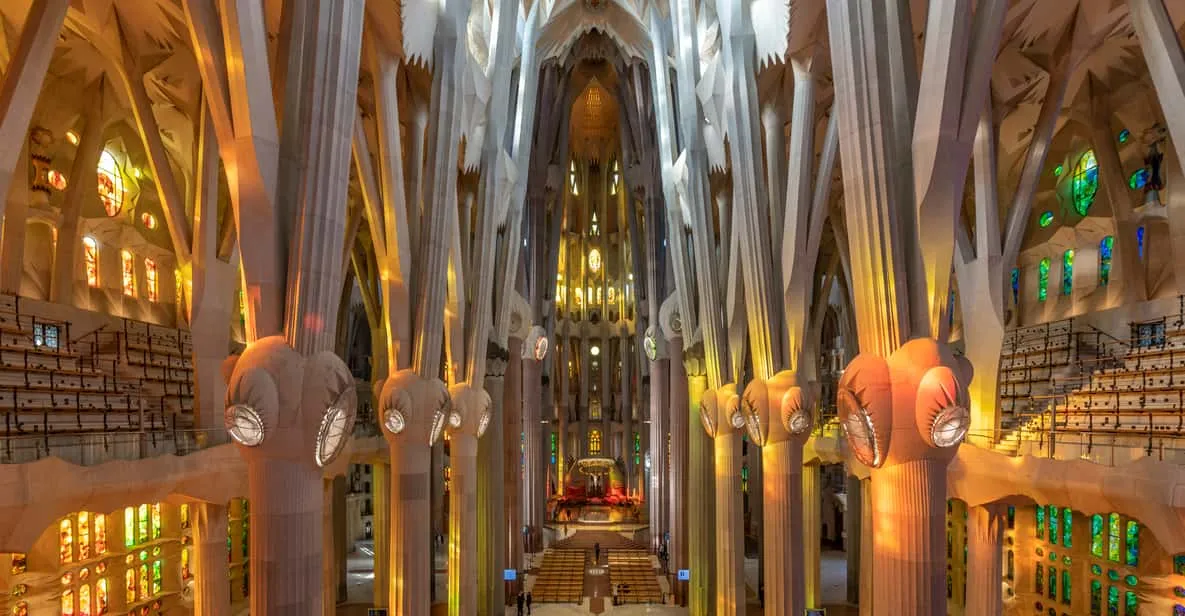
 from $38
 Sagrada Família Skip-the-Line Ticket
- Skip-the-line entry
- Self-paced audio guide
- Nativity & Passion façades
From Gaudí's mosaics to Picasso's early masterpieces, discover the essential museums in Barcelona grouped the way you would actually visit them. Compare hours, ticket prices and skip-the-line tickets, and book with free cancellation.
Barcelona packs more museums into a walkable centre than almost any city its size, and treating them as one long list is the fastest way to waste a trip. This guide sorts the best museums in Barcelona into eight themes, so you can pick the ones that match your day. Each section covers where the museum sits and which metro stop serves it, when it is open, what a ticket costs, what you will actually see inside, and the practical tips that make the visit smoother, followed by the tickets and guided tours worth booking ahead.
Hours, prices and closing days on this page were last checked in July 2026, but Barcelona museums shift schedules for exhibitions and holidays, so confirm on the official site before a special trip. One thing to know from the start: the Gaudí sights and the big-name museums sell out their timed slots days ahead in high season, so the ones you care about are worth booking before you arrive.
The Sagrada Família — Gaudí's unfinished basilica is the one sight almost nobody skips, a forest of stone and stained-glass light unlike anything else on earth.
Picasso Museum — the world's deepest collection of the artist's early work, in five medieval palaces in El Born.
Park Güell — Gaudí's mosaic park with the whole city laid out below, an easy and unforgettable introduction to his work.
Sant Pau Recinte Modernista — the largest Art Nouveau complex in Europe, a campus of tiled pavilions most visitors walk straight past.
Barcelona Aquarium or the Museum of Illusions — a shark tunnel and hands-on optical tricks, easy on short attention spans.
The Dalí Theatre-Museum in Figueres — the artist's own surreal masterpiece, an easy train or tour ride north of the city.
Short on time? These are the top museums in Barcelona, ranked, the best museums to visit in Barcelona with a one-line case for each and a link to its full section.
The essentials for the most famous museums in Barcelona, side by side. The Gaudí sights and Park Güell run on timed entry that sells out first, so book those ahead; the smaller museums you can usually walk into. Use this as your working list of museums in Barcelona.
| Museum | Best for | Area | Time needed | Closed | Ticket | Our take |
|---|---|---|---|---|---|---|
| Sagrada Família | Gaudí masterpiece | Eixample | 1.5–2 h | Open daily | $38 · Check Availability | Unmissable — book the earliest slot and pay for the tower lift if you can. |
| Park Güell | Mosaics & views | Gràcia | 1.5–2 h | Open daily | $24 · Check Availability | Go at opening or late afternoon; the Monumental Zone needs a timed ticket. |
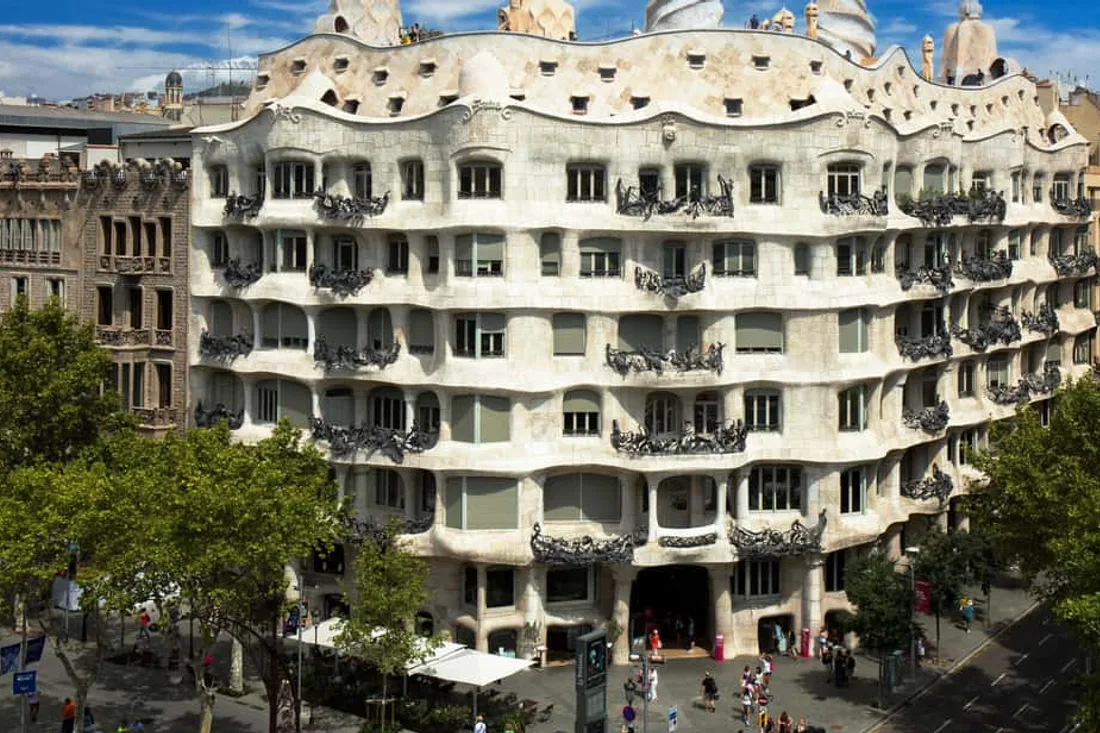
| La Pedrera | Gaudí architecture | Eixample | 1.5 h | Open daily | $28 · Check Availability | The rooftop is the reason to come; the night visit is quieter and lit up. |
| Casa Vicens | Gaudí's first house | Gràcia | 1 h | Open daily | $25 · Check Availability | Small and rarely crowded — the tilework alone is worth the ticket. |
| Sant Pau | Art Nouveau campus | Eixample | 1.5–2 h | Open daily | $20 · Check Availability | The most underrated Modernisme site in the city; go for the pavilions and tunnels. |
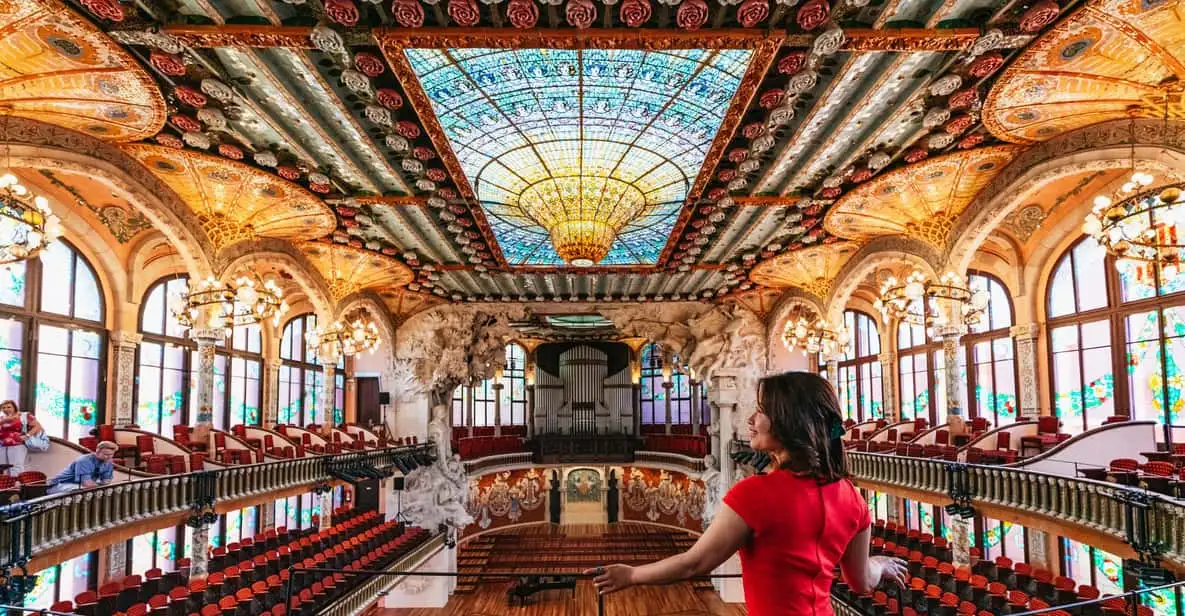
| Palau de la Música | Concert-hall interior | Sant Pere | 1 h | Open daily | $23 · Check Availability | Take the guided tour, or better, catch an actual concert under the skylight. |
| Picasso Museum | Picasso's early work | El Born | 1.5–2 h | Mon | $42 · Check Availability | Book the skip-the-line slot; the medieval palaces are half the pleasure. |
| MNAC | Catalan art & views | Montjuïc | 2–3 h | Mon | $14 · Check Availability | Huge and quiet — go for the Romanesque hall and the terrace at sunset. |
| Moco Museum | Modern & street art | El Born | 1–1.5 h | Open daily | $17 · Check Availability | The crowd-pleaser for a younger visit; the digital rooms are the draw. |
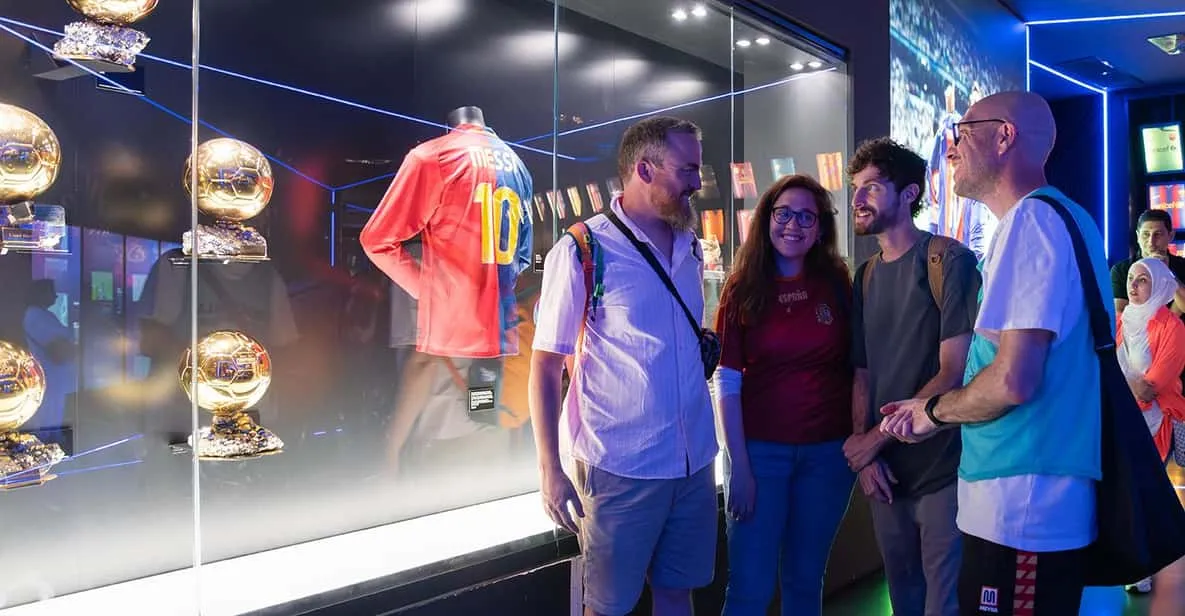
| FC Barcelona Museum | Football history | Les Corts | 2 h | Open daily | $34 · Check Availability | For fans it is a pilgrimage; the immersive room lifts it above a trophy hall. |
| Barcelona Cathedral | Gothic architecture | Gothic Qtr | 1 h | Open daily | $23 · Check Availability | Pay for the rooftop lift and find the thirteen geese in the cloister. |
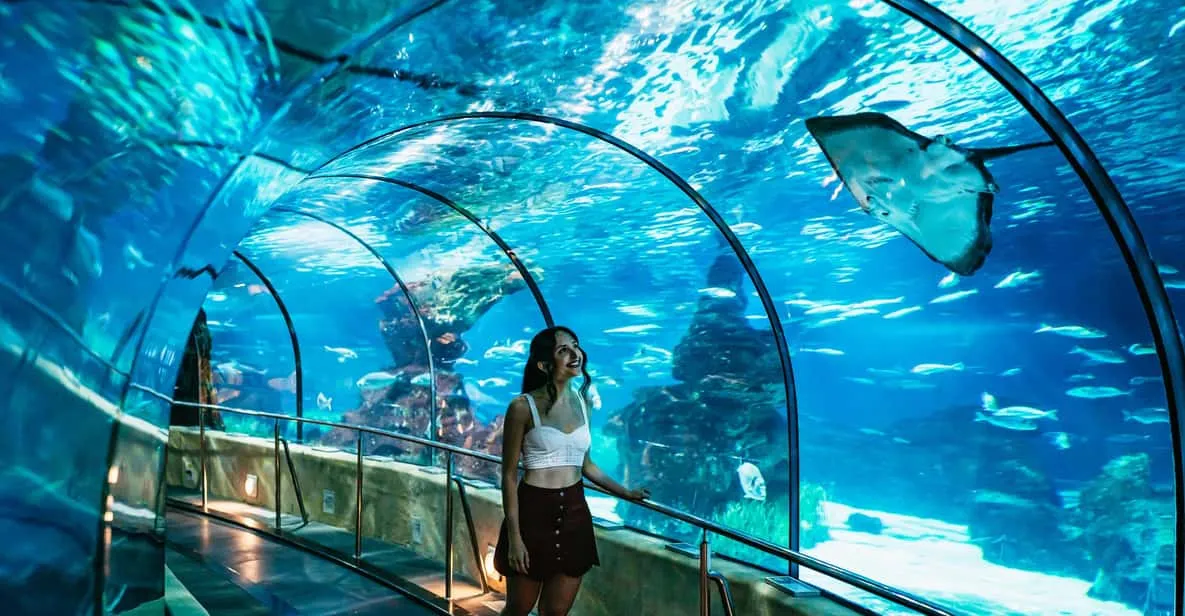
| Barcelona Aquarium | Family day out | Port Vell | 1.5–2 h | Open daily | $34 · Check Availability | The shark tunnel wins over every kid; go early to beat the school groups. |
Barcelona has two passes worth knowing, and they suit different trips. The Articket covers one-time entry to six of the city's leading art museums — MNAC, the Picasso Museum, the Fundació Joan Miró, MACBA, the CCCB and the Fundació Antoni Tàpies — for around €38, and it pays off the moment you visit three of them. The Barcelona Card is broader: free entry to more than 25 museums plus free public transport, in 2-to-5-day versions from about €67, better if you want museums and the metro rolled into one.
The maths is the same for both: add up the door prices of the places you actually plan to see, and if the total beats the pass, buy the pass. One catch worth remembering — the Gaudí sights (Sagrada Família, Park Güell, La Pedrera, Casa Vicens) are not covered by either pass and still need their own timed tickets.
| Museum or sight | Door ticket | Covered by a pass? |
|---|---|---|
| MNAC | $14 | Yes — Articket & Barcelona Card |
| Picasso Museum | $42 | Yes — Articket & Barcelona Card |
| Fundació Joan Miró | €14 | Yes — Articket |
| MACBA / CCCB / Tàpies | €8–€12 | Yes — Articket |
| Barcelona Aquarium | $34 | Discount only |
| Sagrada Família | $38 | No — separate timed ticket |
| Park Güell | $24 | No — separate timed ticket |
| La Pedrera / Casa Vicens | €25–€28 | No — buy separately |
Color = theme. Click any pin to jump to that museum's section of the guide. Day-trip sights (the Dalí Museum, Montserrat) lie beyond the city and are not shown here.
No city is more tied to one architect than Barcelona is to Antoni Gaudí, and the Modernisme movement he led left the centre studded with buildings that double as museums. This is the heart of any trip: Gaudí's Sagrada Família, La Pedrera and Park Güell draw the biggest crowds and sell out first, while the works of his contemporaries — Domènech i Montaner's Palau de la Música and Sant Pau, Puig i Cadafalch's Casa Amatller — reward anyone who looks past the headline names. These are the museums in Barcelona to book before you arrive; timed entry is the rule, not the exception.
Gaudí's unfinished basilica, still rising after 140 years. Book the earliest slot and add the tower lift for the view.
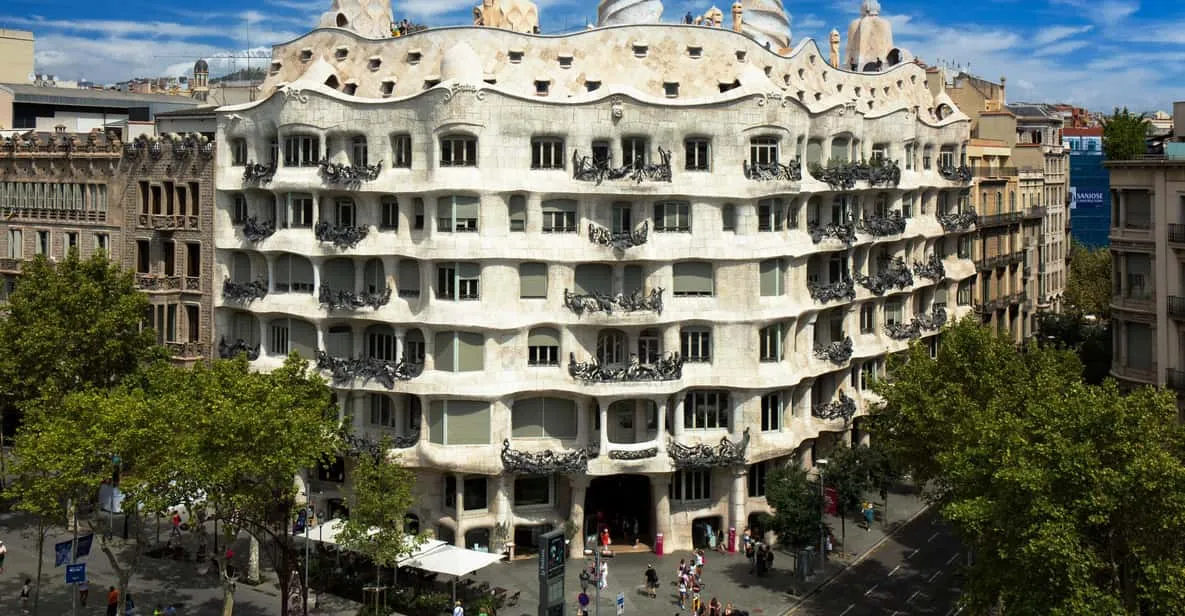
The wave-fronted apartment block on Passeig de Gràcia, famous for its rooftop army of chimney sculptures.
The mosaic dragon, the serpentine bench and a terrace over the whole city; the Monumental Zone needs a timed ticket.
Gaudí's first house, a tiled explosion of marigolds and Moorish pattern in quiet Gràcia, rarely crowded.
Domènech i Montaner's concert hall, all stained glass and mosaic, best seen on a guided tour or at a live concert.
The largest Art Nouveau site in Europe, a campus of tiled pavilions and tunnels most visitors never reach.
Slots sell out days ahead in high season — reserve before you travel, not on the day.
The Gaudí sights are spread across the Eixample and Gràcia, close enough to pair two or three in a day if you book sensibly. Reserve the Sagrada Família and Park Güell first, since those two sell out earliest, then slot the houses around them.
The Sagrada Família is the one thing in Barcelona you cannot miss. We booked the first slot and the morning light through the stained glass was unreal. Buy the tower ticket too.
Park Güell and Casa Vicens in one morning was the perfect Gaudí day. Book the timed entry for the park in advance, the walk-up queue was enormous.
La Pedrera's rooftop is worth the ticket on its own. Go late in the day when the tour groups thin out and the chimneys catch the sun.
Skip-the-line tickets and guided tours for Gaudí's Sagrada Família, La Pedrera, Park Güell and Casa Vicens, plus the great Modernisme halls of Palau de la Música and Sant Pau.
from $38 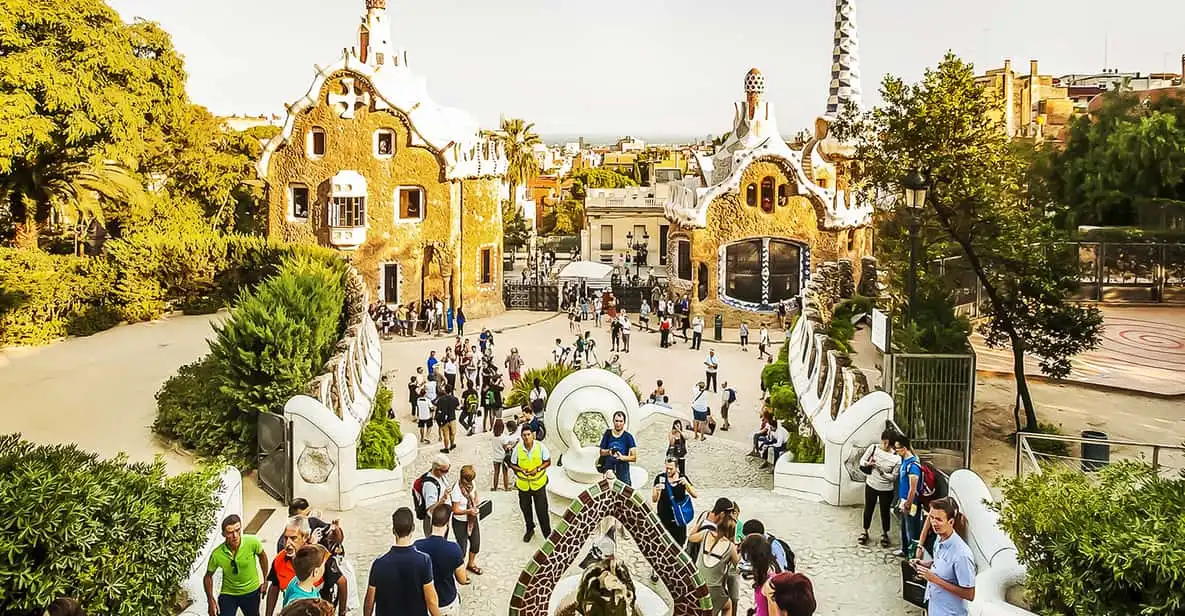 from $24
  from $28
 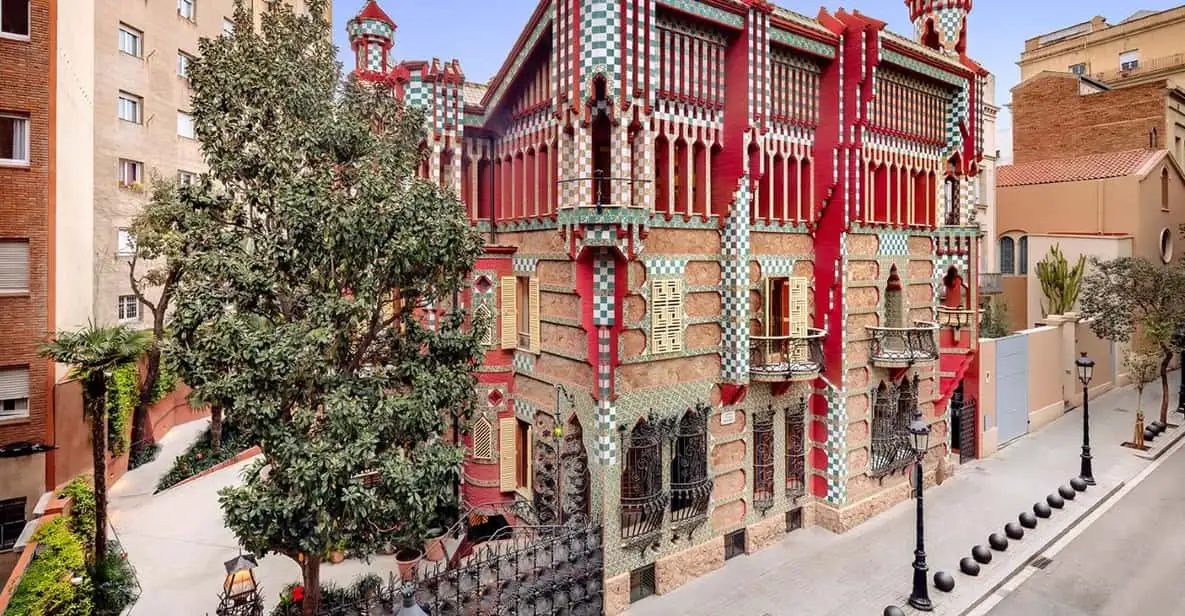 from $25
 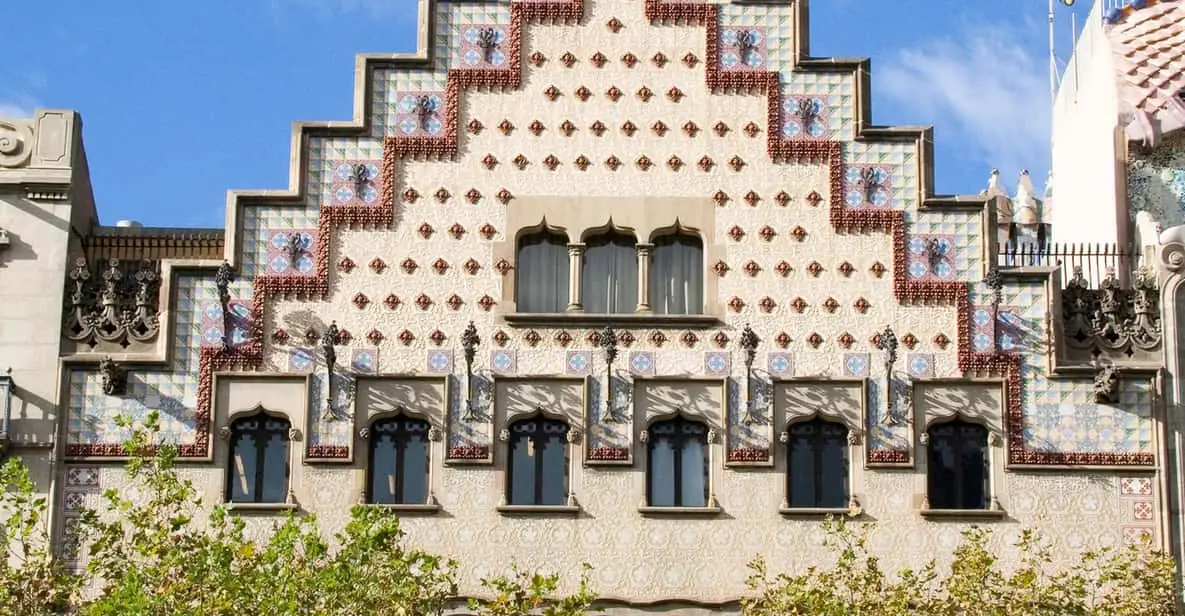 from $20
 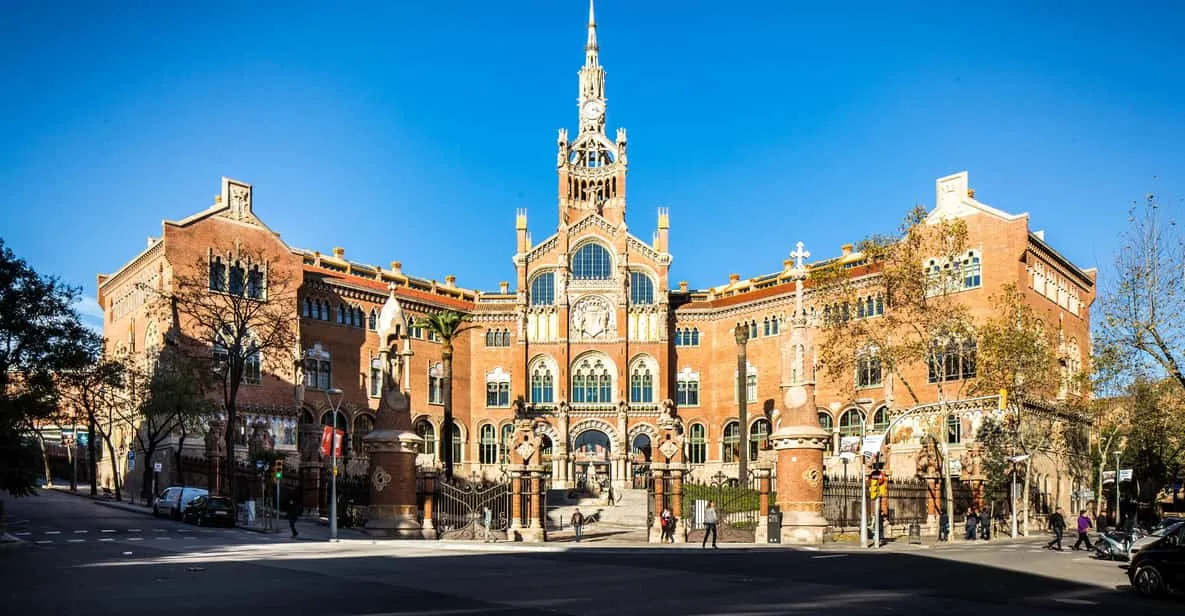 from $20
 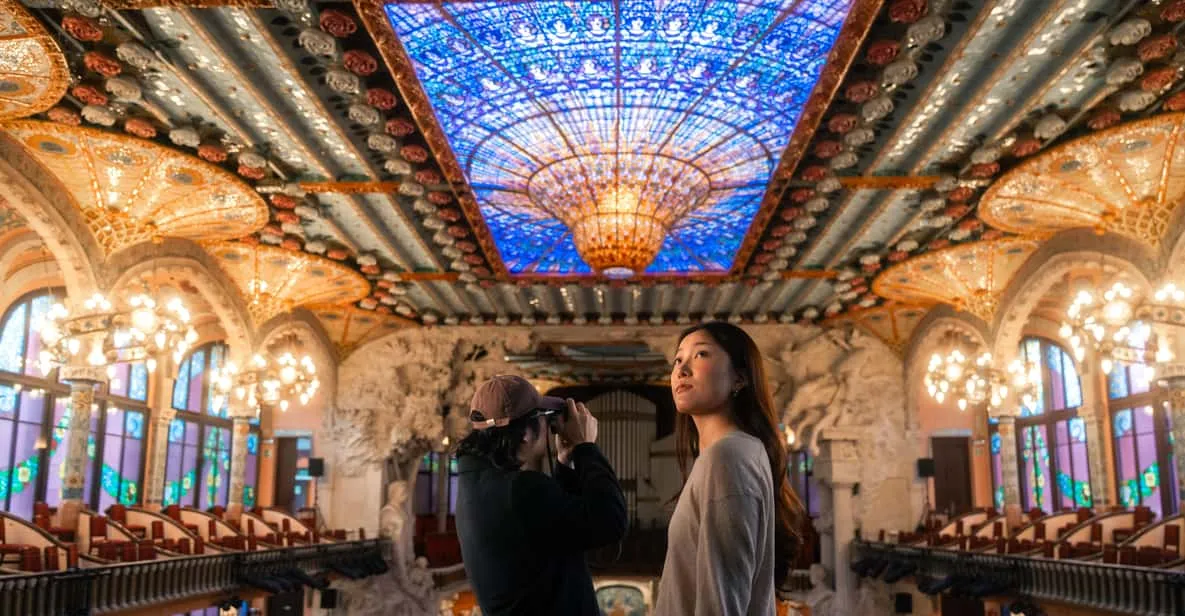 from $23
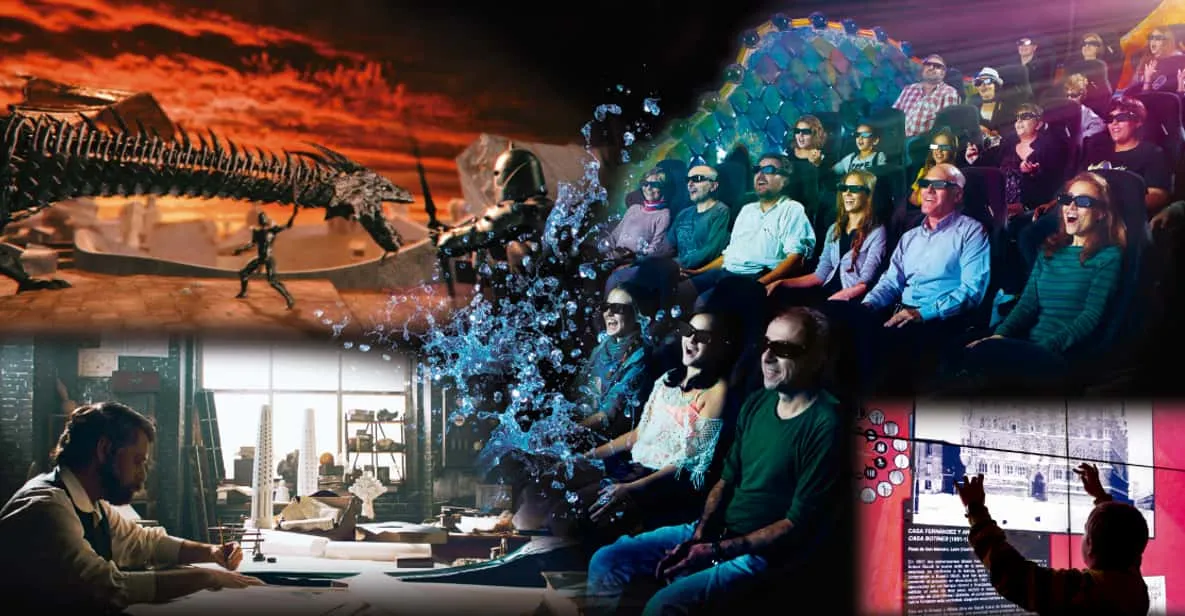
  from $27
  from $10
  from $10
 Beyond the architecture, Barcelona holds a run of world-class art museums that a Gaudí-only trip misses entirely. The Picasso Museum owns the story of the artist's youth here; the Museu Nacional d'Art de Catalunya sweeps from medieval frescoes to Catalan modern masters; and newer arrivals like the Moco Museum bring Banksy and immersive digital art to a younger crowd. Most of these are central and walkable, and several share the Articket pass, which makes them the easiest museums in Barcelona to string together in one afternoon.
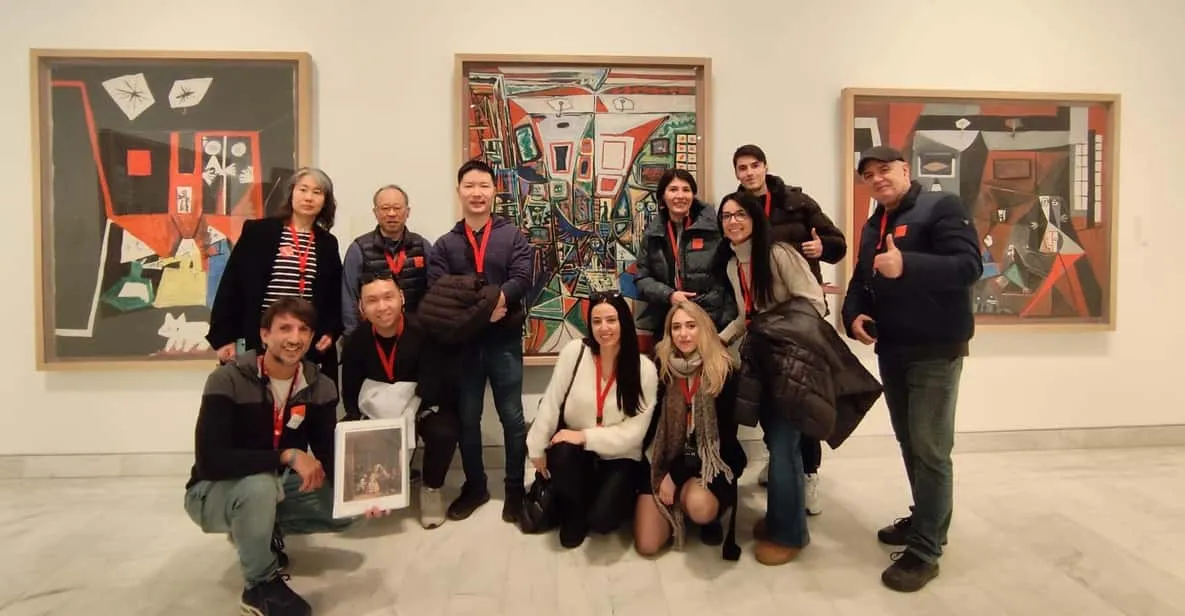
The world's deepest collection of Picasso's early work, across five Gothic palaces in El Born. Closed Mondays; book a skip-the-line slot.
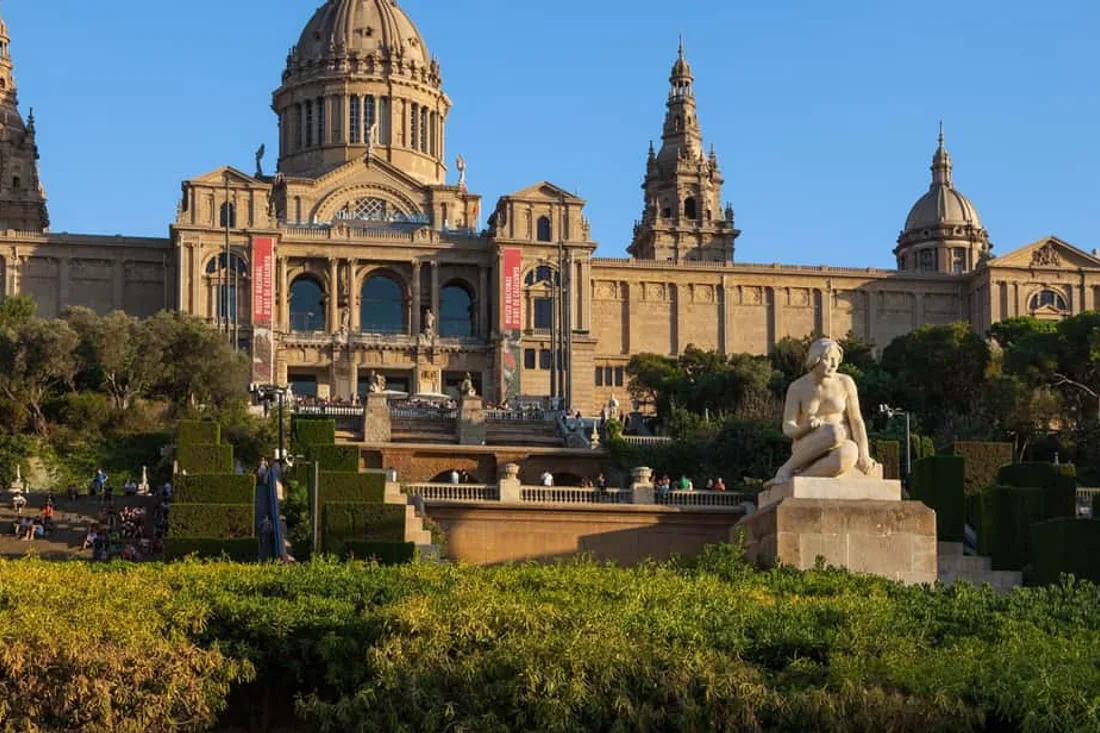
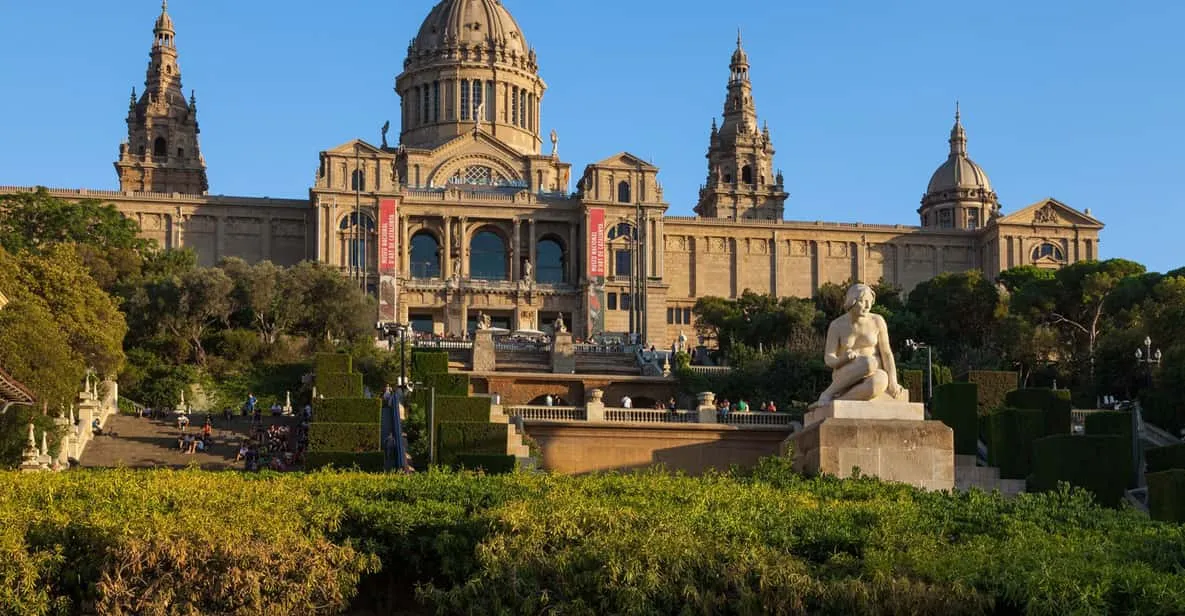
Romanesque frescoes to Catalan Modernisme in the domed Palau Nacional, with the best free view on Montjuïc.
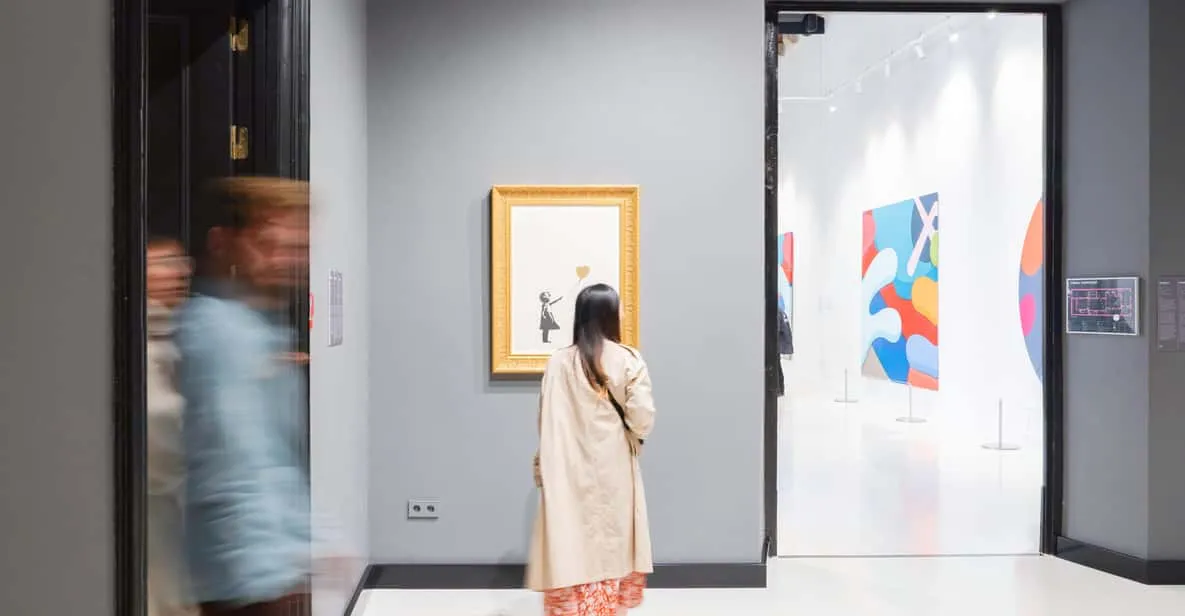
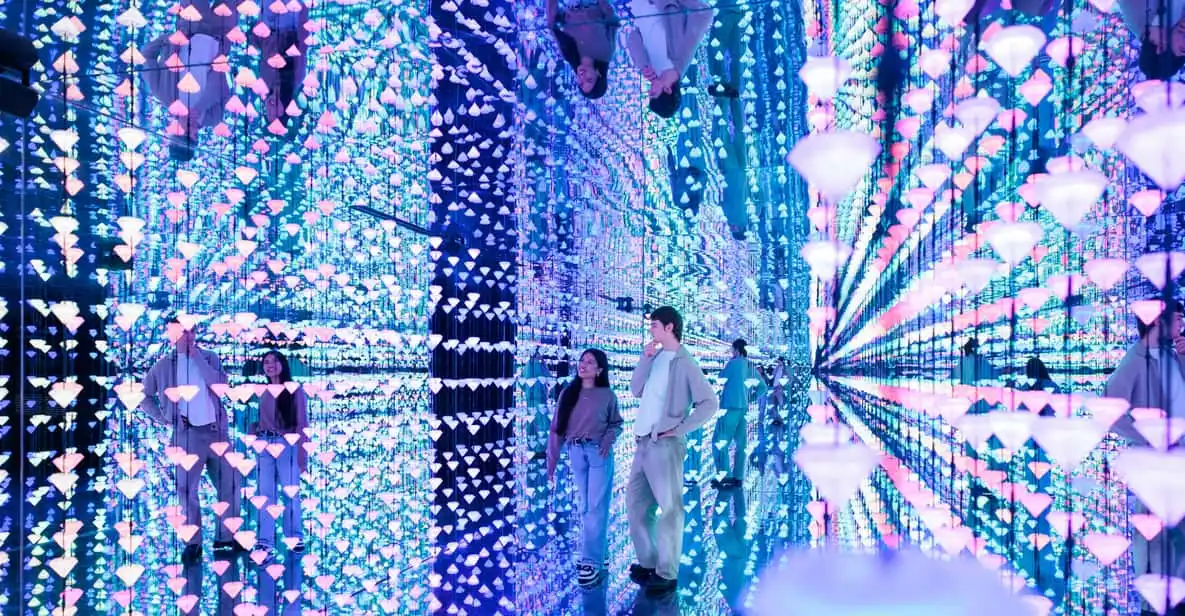
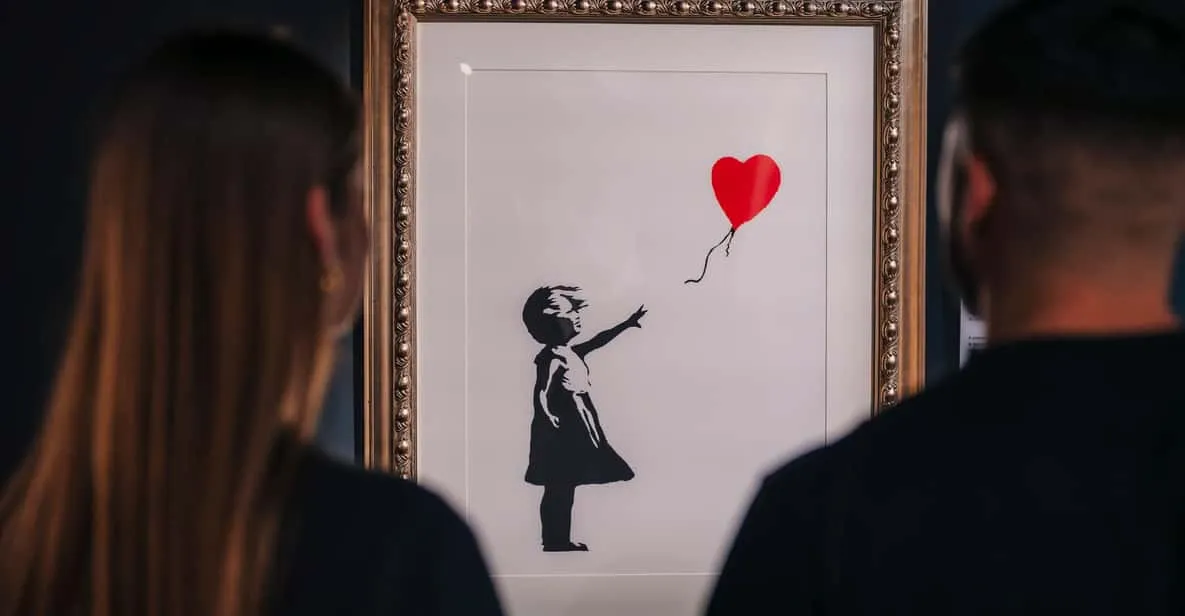
Banksy, Basquiat, Kusama and a basement of immersive rooms; the crowd-pleaser for a younger visit.
A permanent show of the street artist's best-known pieces with the story behind each stencil, an easy central hour.
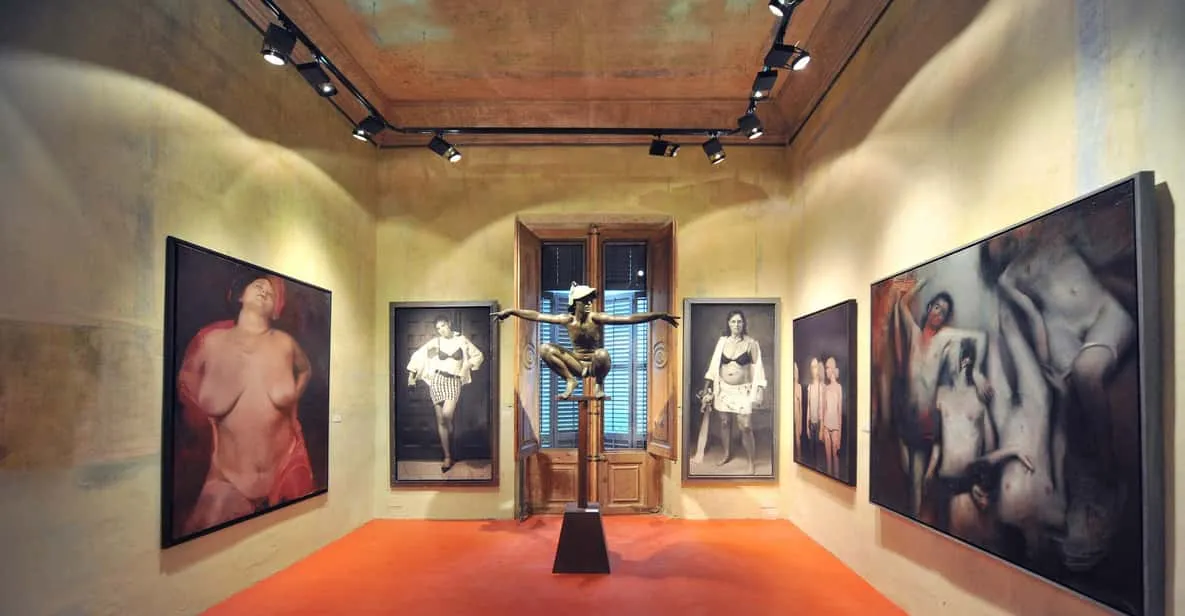
Living figurative painters and sculptors in a restored Born palace you will often have to yourself.
Thursday evenings after 6pm are free but very busy; a booked slot is calmer.
Three of these five sit within a ten-minute walk in El Born — the Picasso Museum, the Moco and MEAM — so they make an easy cluster. MNAC is up on Montjuïc and deserves its own half-day. If art is your focus, the Articket pass pays for itself fast.
The Picasso Museum tells the story of him growing up in Barcelona better than any book. The medieval palaces it lives in are gorgeous. Skip-the-line saved us a long wait.
MNAC is enormous and almost empty compared to the Gaudí sights. The Romanesque frescoes are extraordinary and the view from the terrace is the best in the city.
Moco was the surprise of the trip for our teenagers — Banksy, Basquiat and the immersive rooms kept them off their phones for once. Central and quick.
Skip-the-line tickets and guided tours for the Picasso Museum, MNAC, Moco and MEAM, plus the Articket pass that bundles six of the city's top art museums.
 from $42
  from $512
  from $14
  from $17
  from $43
  from $16
  from $15
 For a huge share of visitors, the museum that matters most in Barcelona is not about art at all. The FC Barcelona Museum at Camp Nou is one of the most-visited museums in the whole country, and it anchors a small cluster of sport museums that includes the Olympic collection up on Montjuïc, left over from the 1992 Games. If you or your kids follow football, this is the section to build a morning around.

The club's trophy halls plus an immersive Camp Nou experience; the most-booked sport museum in the city.
A 360-degree room that drops you into the stadium's biggest moments, the highlight of the museum visit.
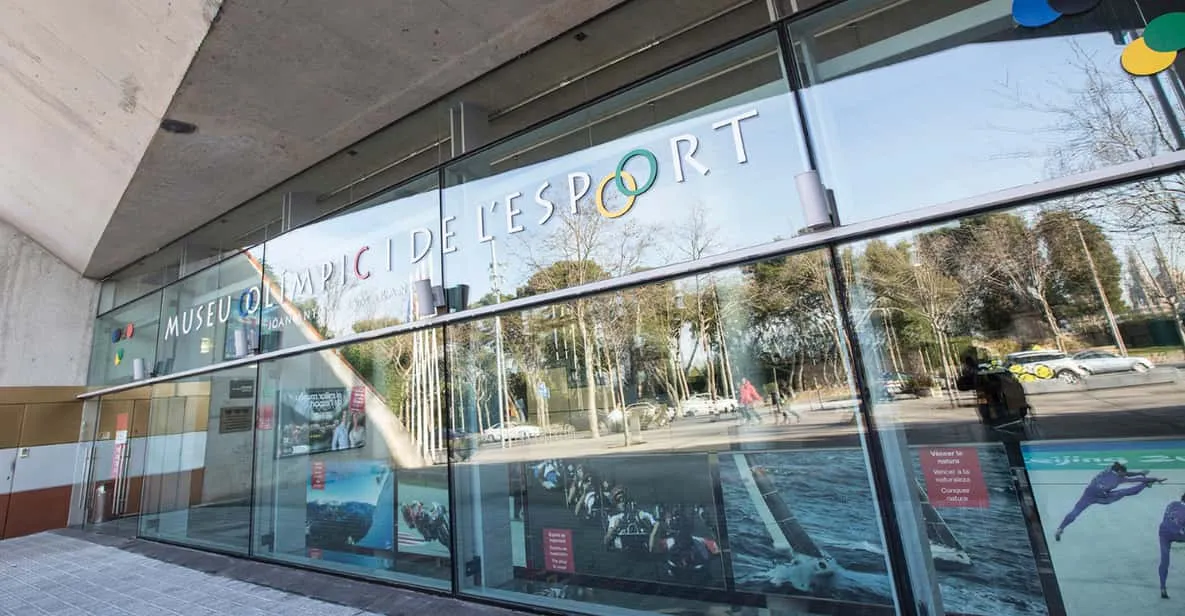
The story of the 1992 Games and sport through interactive displays, on Montjuïc beside the Olympic Stadium.
A guided day linking four football grounds and two club museums, for the most committed fans.
Camp Nou is under redevelopment — check which areas are open when you book.
The FC Barcelona Museum sits out in Les Corts, a short metro ride from the centre, so plan it as its own outing rather than squeezing it between city-centre sights. The Olympic Museum pairs naturally with a Montjuïc day that also takes in MNAC.
As a lifelong Barça fan this was the highlight of the whole trip. The immersive room gave me goosebumps. Worth every minute even with the stadium works going on.
Took my son and he loved the trophies and the immersive experience. It is a metro ride out of the centre so give it a full morning.
The Olympic Museum on Montjuïc was a great, cheap surprise after MNAC. Interactive and fun for the kids, and almost nobody else was there.
Tickets for the FC Barcelona Museum and its immersive Camp Nou experience, the Olympic and Sport Museum on Montjuïc, and a guided football tour of the city's stadiums.
 from $34
  from $58
  from $7
  from $192
 Not every museum in Barcelona is about high art, and this batch is where a rainy afternoon or a trip with kids gets easy. The Barcelona Aquarium and its shark tunnel down at Port Vell pull the biggest numbers, backed by a run of playful, photo-friendly spots: optical-illusion museums, a wax museum in a grand old bank, and a couple of genuinely offbeat collections. None of these need booking far ahead, so they make good flexible fillers between the sights that do.
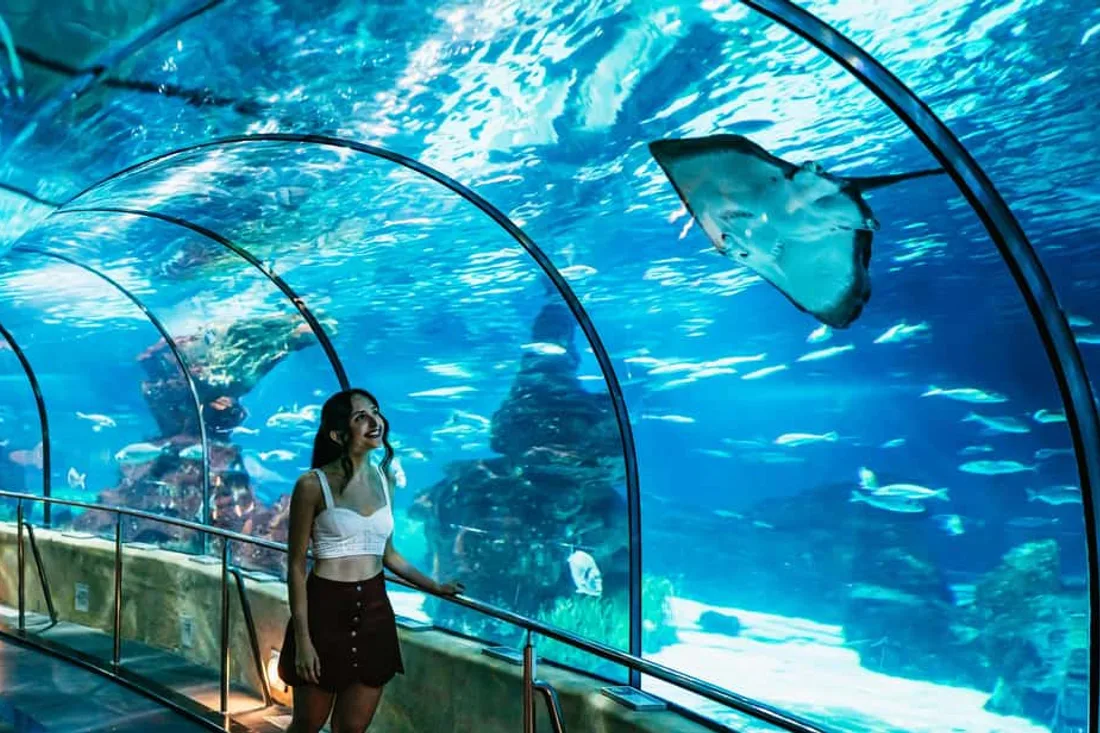
An 80-metre glass tunnel with sharks overhead at Port Vell; the reliable family pick on a hot or wet day.
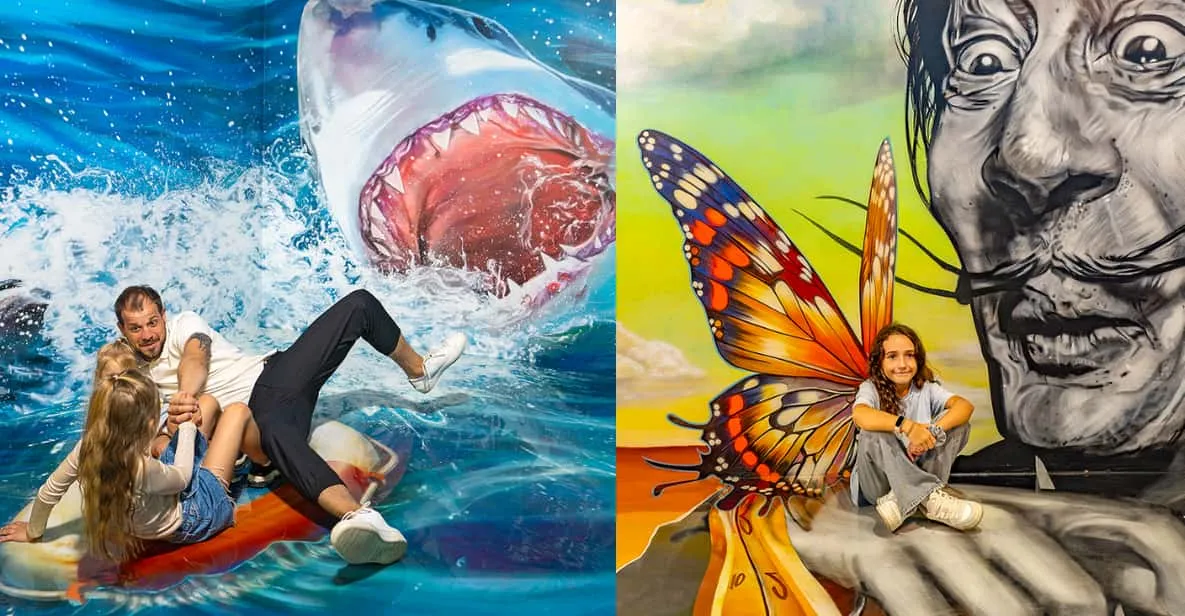
Tilted rooms, holograms and an infinity chamber, all built to be photographed; a hands-on hour kids love.
Over seventy sensory tricks in a slicker, smarter take on the illusion museum.
The historic Museu de Cera off La Rambla, with a fairy-forest café next door worth a look on its own.
A Gothic Quarter palace tracing the plant's history in medicine and culture — more museum than novelty.
Two offbeat La Rambla stops: a hall of legendary guitars and a cheeky romp through erotic art.
Go at opening to beat the school groups; the shark tunnel gets busy by midday.
Most of these cluster around La Rambla and Port Vell, so you can stitch two or three together on foot. They are cheap, quick and open late, which makes them the ideal backup when the Gaudí slots are sold out.
The aquarium saved us on a rainy afternoon with two kids. The shark tunnel is genuinely impressive and you can book online and walk straight in.
The Museum of Illusions was more fun than we expected — an hour of daft photos and tilted rooms. Cheap and central, perfect between the bigger sights.
The Hemp Museum surprised me. It is in a beautiful old palace and takes the history seriously. Quieter and more interesting than the name suggests.
Tickets for the Barcelona Aquarium, the illusion and paradox museums, the historic wax museum and the city's more offbeat collections.
 from $34
  from $17
  from $36
 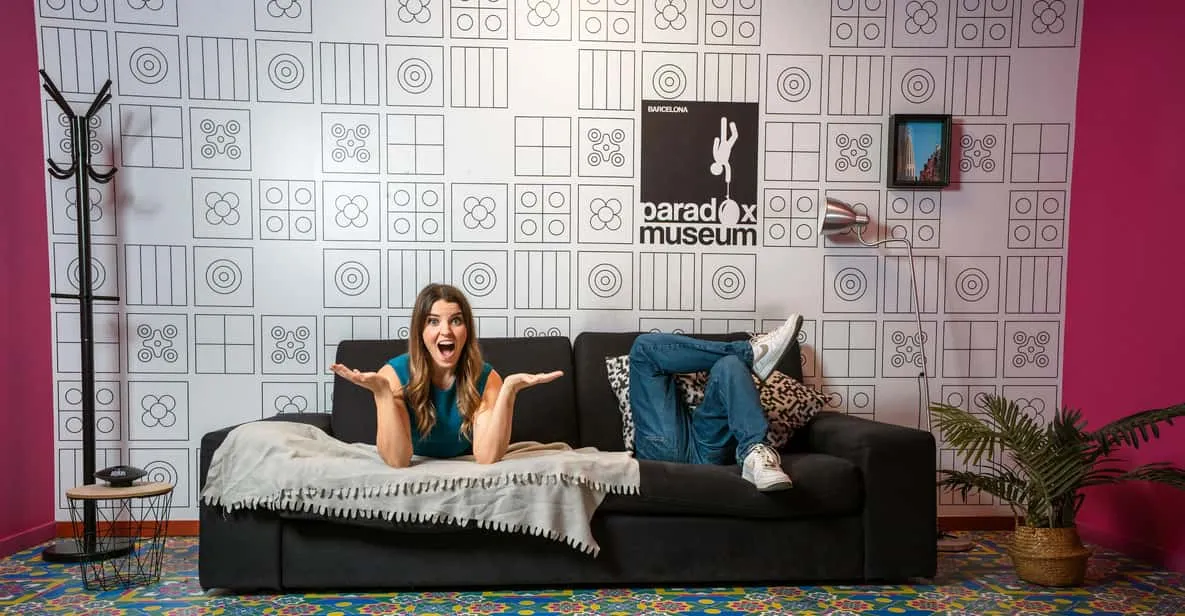 from $20
  from $24
 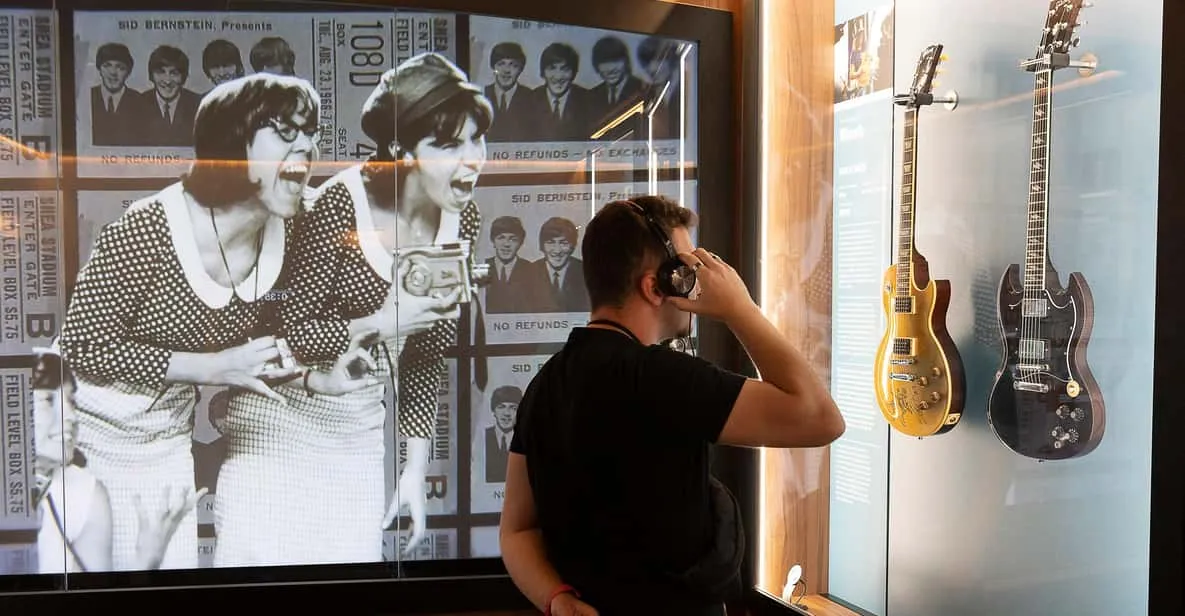 from $20
 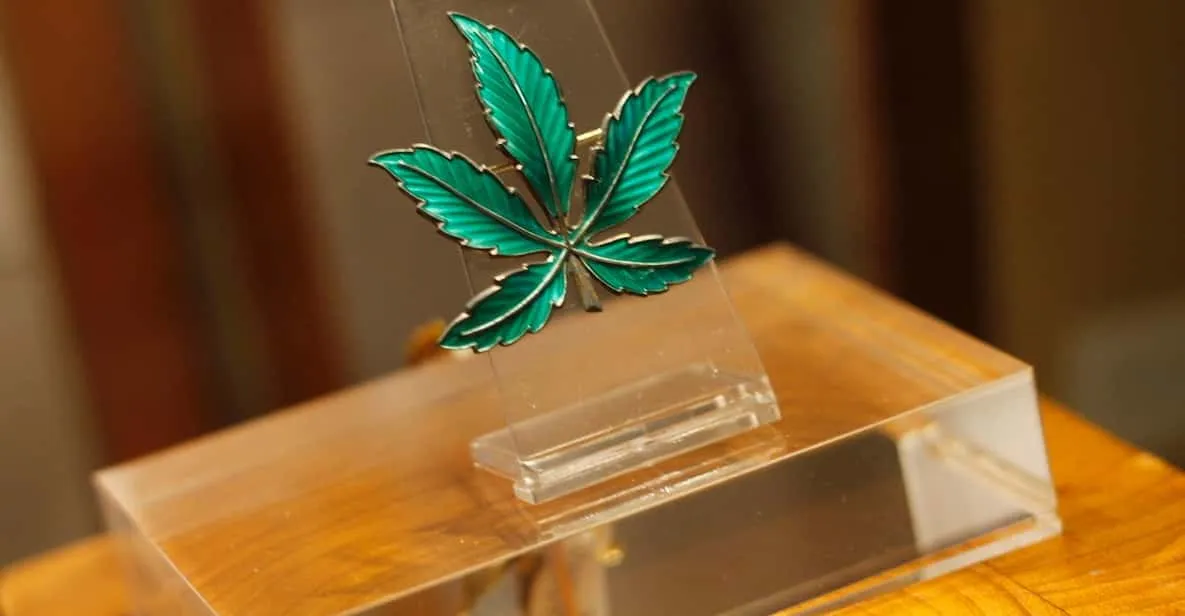 from $11
 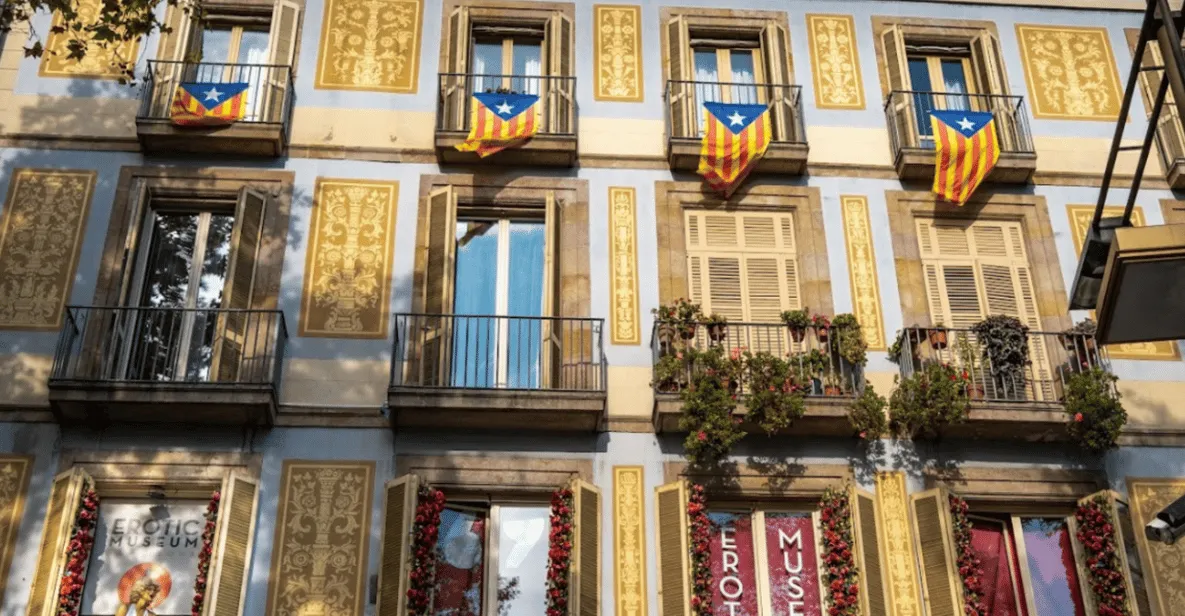 from $17
 To understand Barcelona beyond Gaudí, this handful of museums and monuments tells the longer story. The Gothic Cathedral anchors the old city, the History Museum of Catalonia lays out the region from prehistory to today in a converted harbour warehouse, and a well-kept Egyptian collection near Passeig de Gràcia adds an unexpected turn. These are among the most rewarding museums in Barcelona for anyone who likes context with their sightseeing.
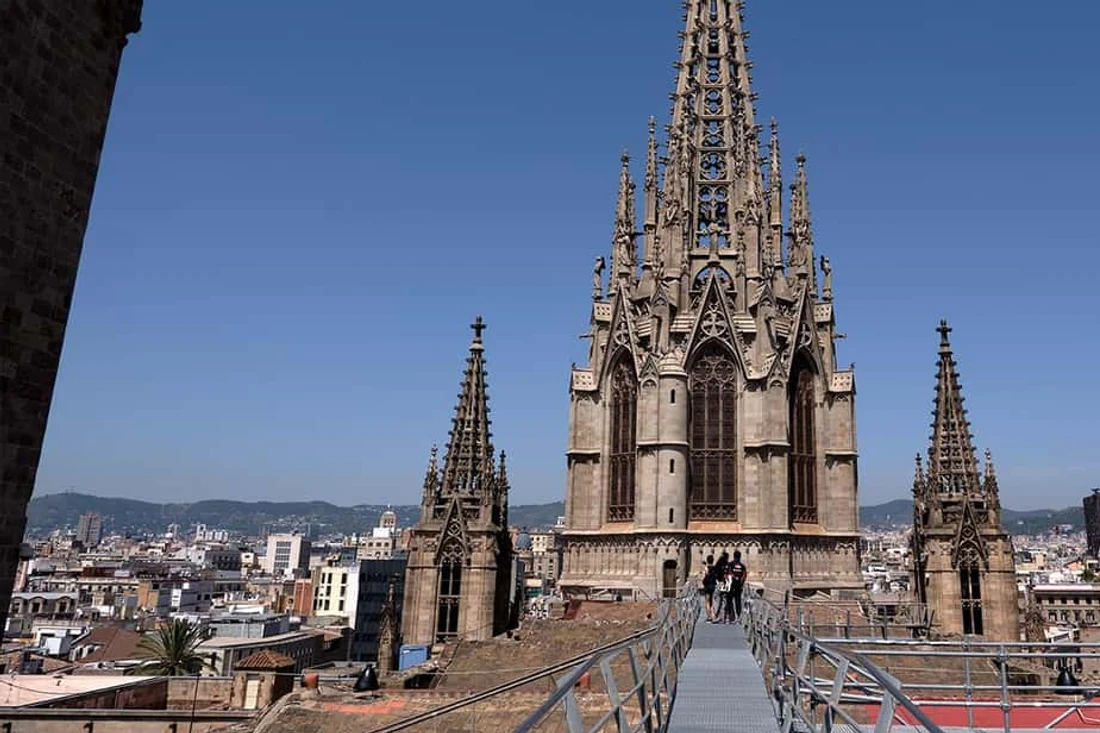
The Gothic cathedral of the old city, with a cloister of thirteen geese, a crypt and a rooftop terrace you can reach by lift.
Prehistory to the present in a Port Vell warehouse, full of hands-on displays, with a harbour-view terrace café.
More than a thousand ancient artefacts, from mummies to jewellery, calmly laid out near Passeig de Gràcia.
The rooftop lift and the geese in the cloister are the two things not to miss.
The Cathedral sits in the heart of the Gothic Quarter, an easy add-on to any old-city wander; the History Museum of Catalonia is a short walk on at Port Vell. The Egyptian Museum is up in the Eixample and pairs well with a Gaudí house on Passeig de Gràcia.
The cathedral rooftop gives you the Gothic Quarter from above without the Sagrada Família crowds. The cloister with the geese is a lovely, strange surprise.
The History Museum of Catalonia is the best primer on the region we found. Loads of interactive bits for the kids and a great view from the top-floor café.
A small, well-laid-out Egyptian collection right in the centre. A calm half-hour away from the busier sights, and the mummies held the children's attention.
Tickets for the Gothic cathedral, the History Museum of Catalonia at Port Vell, and the city's Egyptian collection.
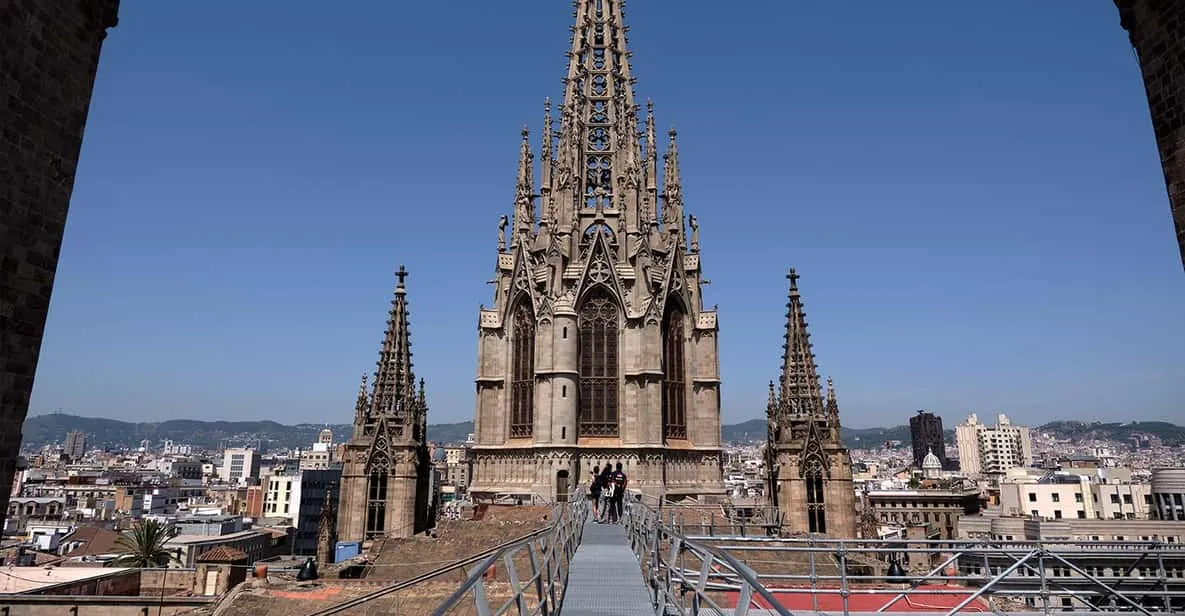 from $23
 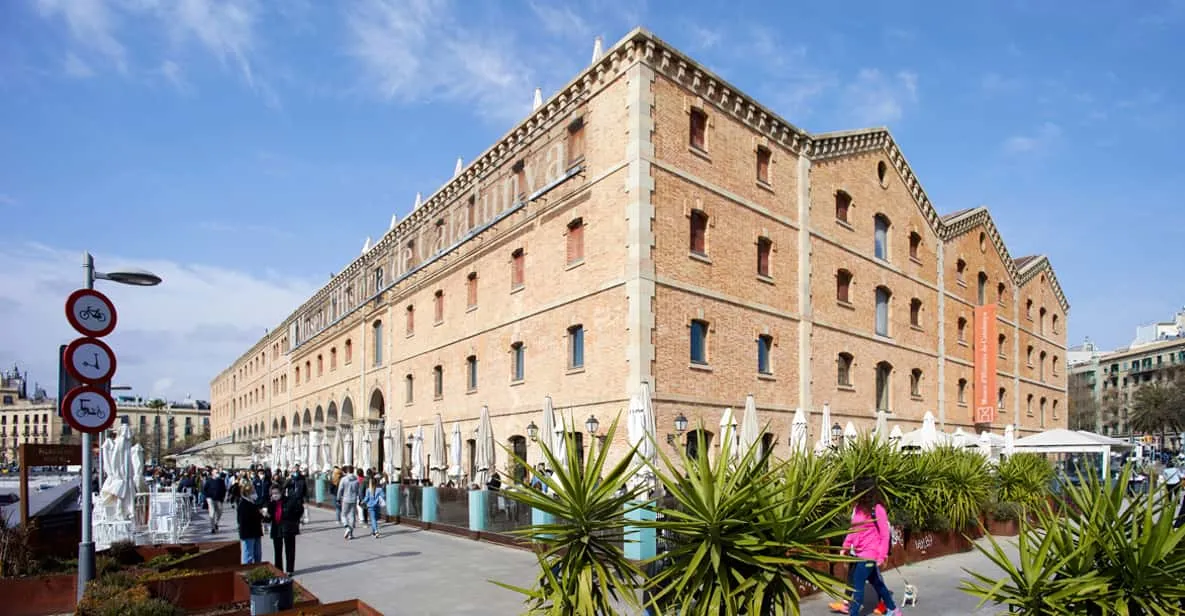 from $9
 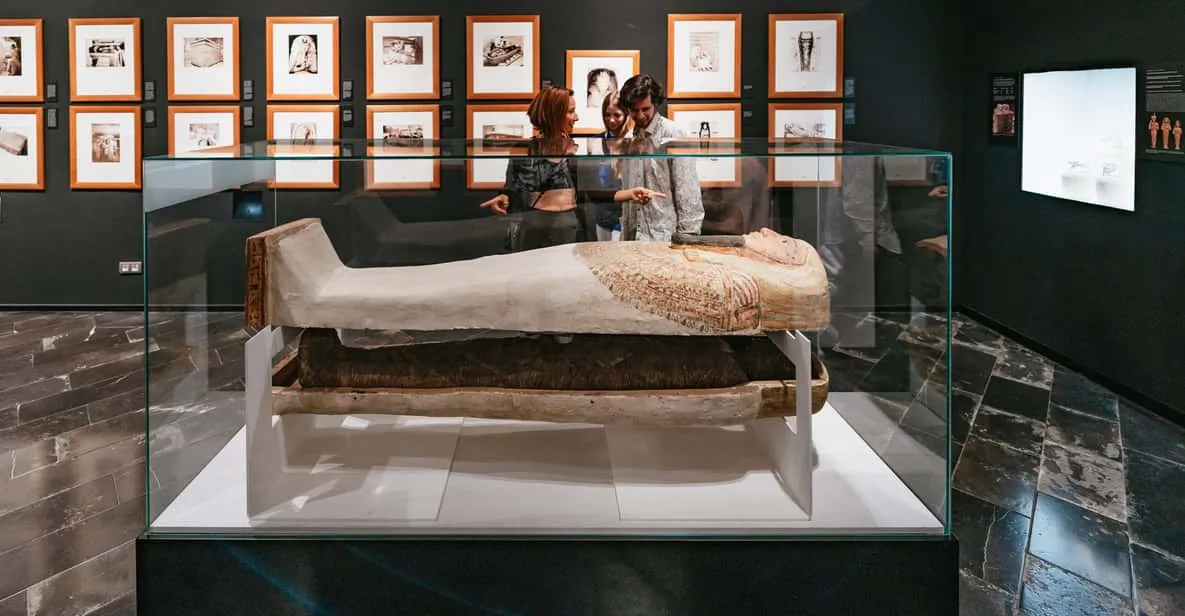 from $16
 Barcelona takes its food seriously, and a couple of small, sweet museums turn that into an easy hour with a tasting at the end. The Chocolate Museum in El Born tells the story of turrón and cocoa and hands you something to eat; a tiny coffee museum does the same for the bean. Neither is a headline attraction, but both make a charming, low-effort stop between the bigger museums in Barcelona.
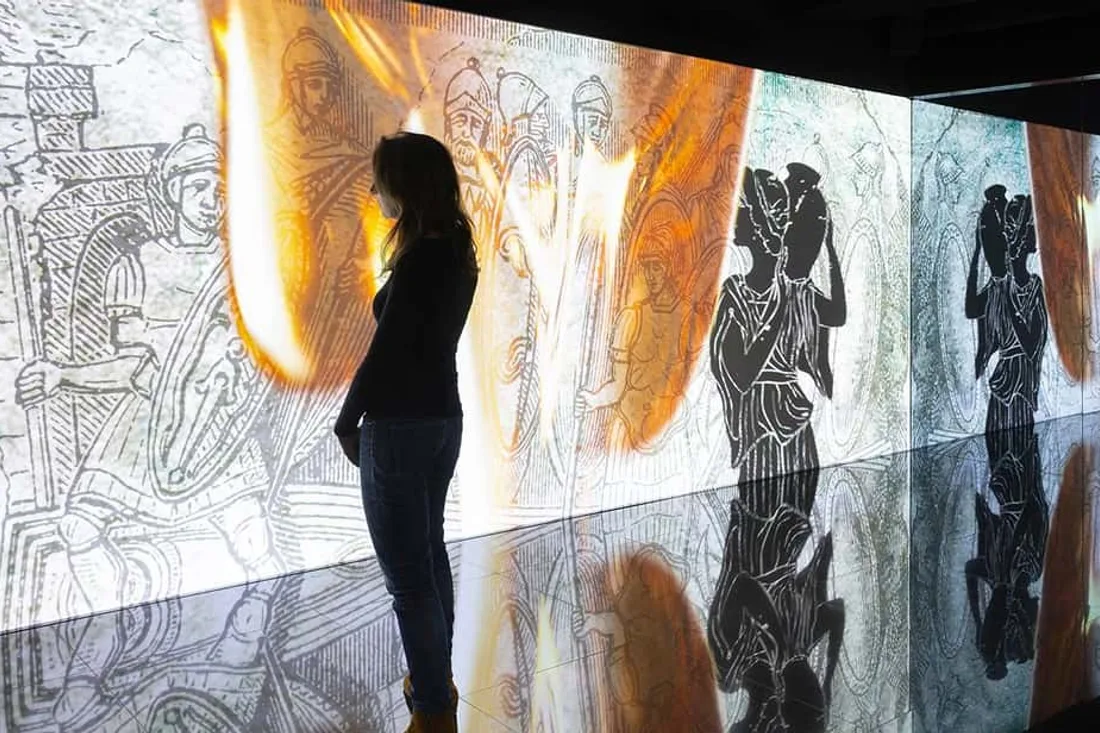
An El Born museum on the history of turrón and chocolate that ends in a tasting you eat on the spot.
A tiny museum-café tracing coffee from bean to cup, finishing with a guided tasting for serious drinkers.
The entry ticket is a bar of chocolate — the museum is small, so pair it with an El Born wander.
Both of these are small and central, best treated as a sweet break rather than a main event. The Chocolate Museum sits in El Born within a few minutes of the Picasso Museum, so the two pair naturally.
The Chocolate Museum is tiny but charming, and your ticket is a chocolate bar. The kids loved the sculptures and the tasting. A perfect half-hour break in El Born.
Went in expecting a gimmick and left having genuinely learned how chocolate is made. The tasting at the end is generous. Right by the Picasso Museum.
The little coffee museum is a real find for a coffee obsessive like me. The guided tasting was the best cup I had all week.
Tickets with tastings for the Chocolate Museum in El Born and the city's niche coffee museum.
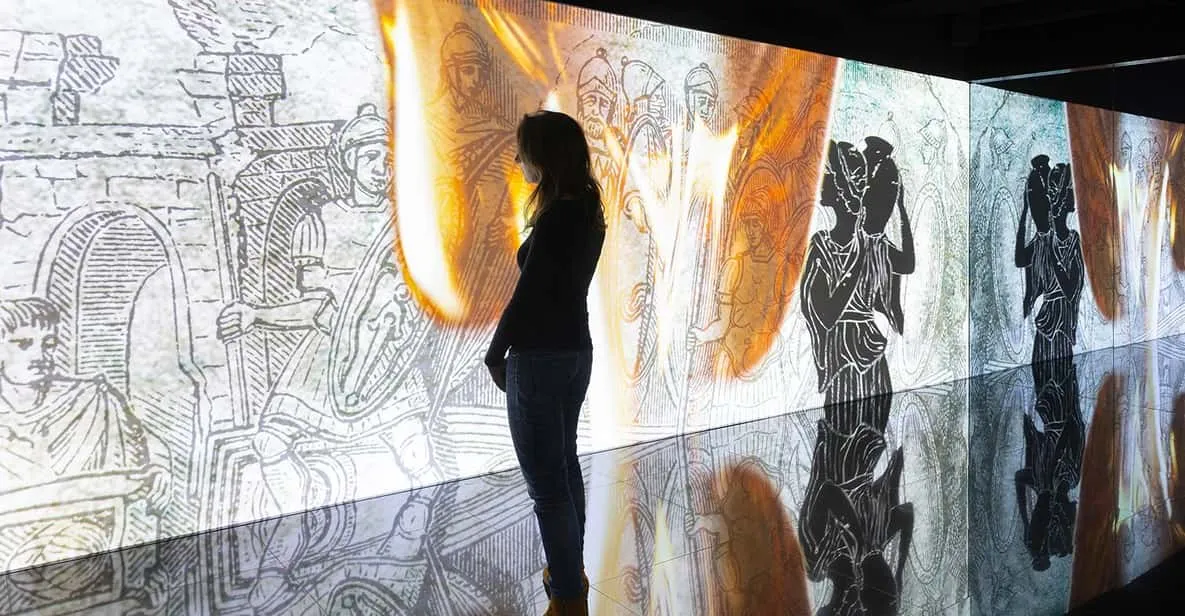 from $14
 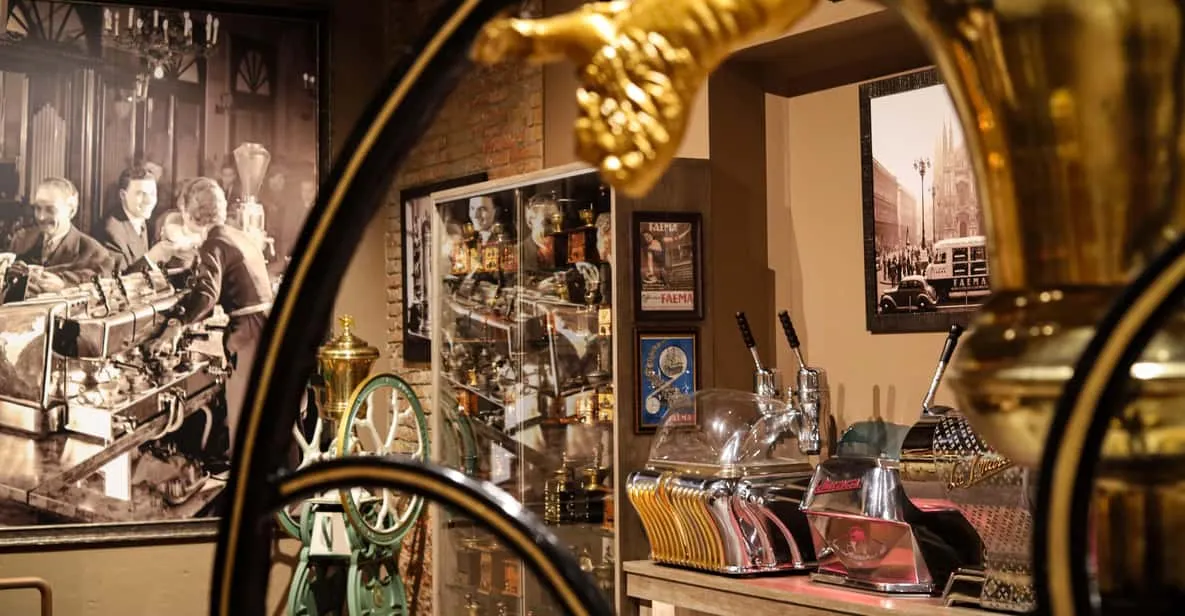 from $10
 Some of Barcelona's culture is best seen on a stage rather than behind glass, and an evening show rounds out a day of museums nicely. A flamenco performance is the classic choice — the art form is Andalusian rather than Catalan, but Barcelona hosts some of the most polished shows in Spain — while a candlelit Vivaldi concert offers a quieter alternative in a historic hall. Neither is a museum, but both slot naturally into a museum-heavy trip.
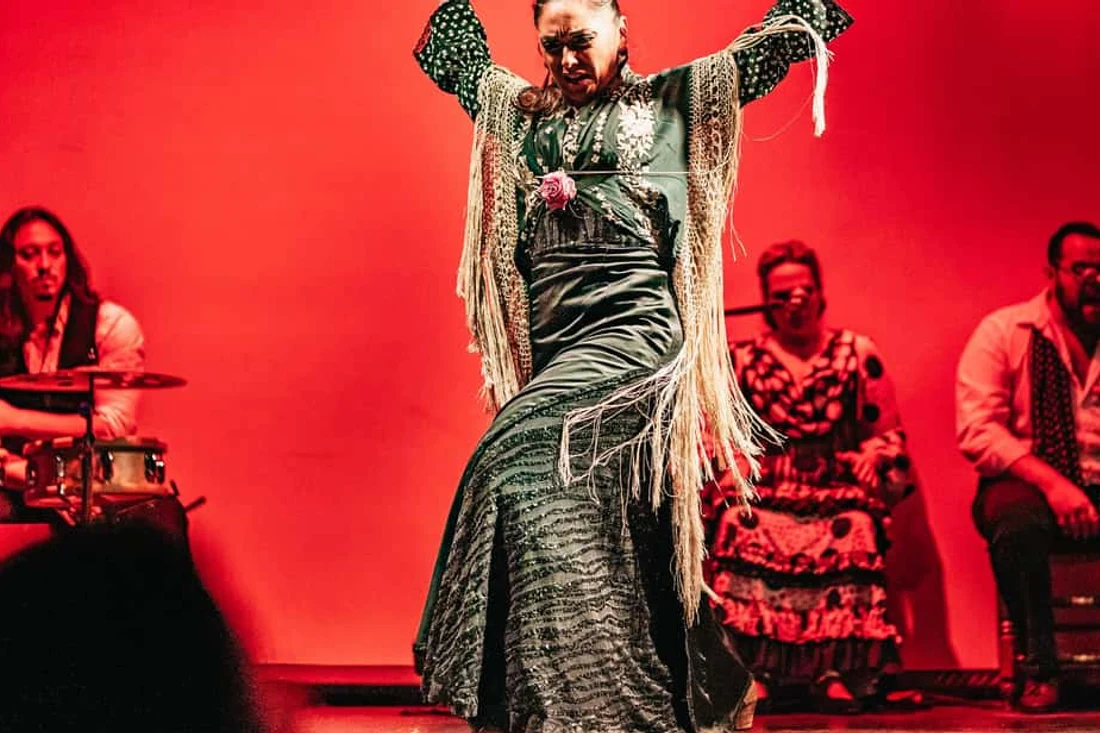
A full company of guitar, song and dance in a central theatre, built for first-timers and among the most-booked shows in the city.
A string ensemble playing the Four Seasons and other favourites in a historic hall, an atmospheric alternative to a night out.
Book an earlier show if you want dinner afterwards; the venue is right by Plaça Catalunya.
Both shows sit in or near the Eixample, an easy walk or metro ride from the main sights, and both start in the evening once the museums have closed. Pick flamenco for energy and a first-timer's spectacle, or the candlelit concert for something calmer.
The flamenco show was the emotional highlight of our trip. The guitarist and the dancer were extraordinary and the venue is right in the centre. Book ahead, it filled up.
We did the candlelit Vivaldi concert after a long museum day and it was the perfect wind-down. Beautiful playing in a lovely old hall.
A great introduction to flamenco if you have never seen it. Polished and moving, and easy to fit in before a late Spanish dinner.
Tickets for a central flamenco show and a candlelit Vivaldi concert, both easy to slot into a museum-filled trip.
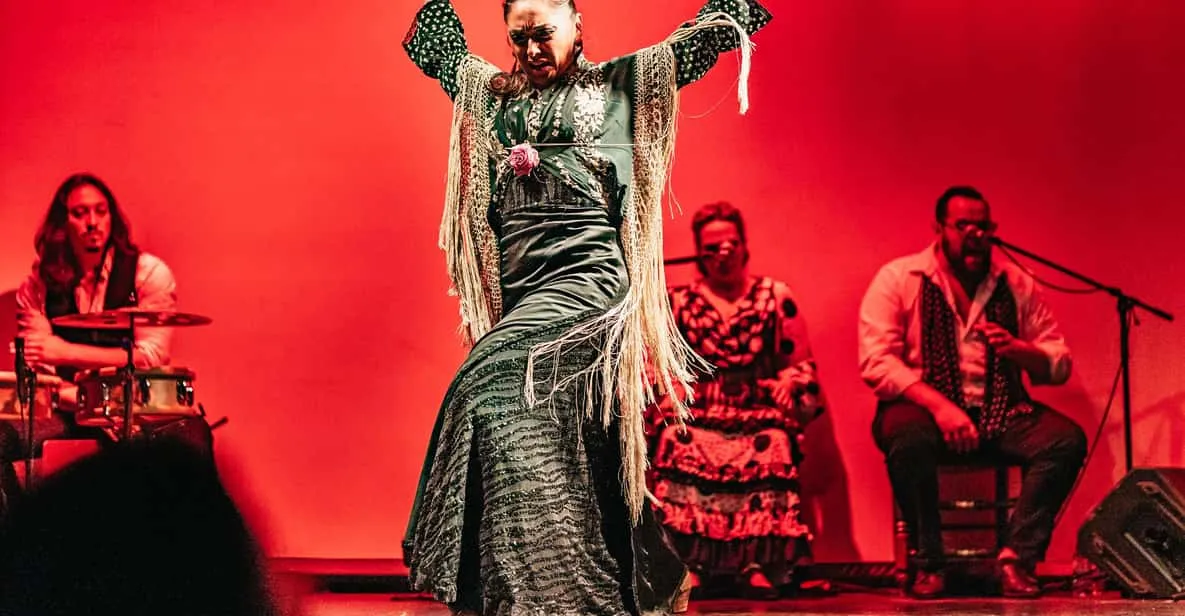 from $28
 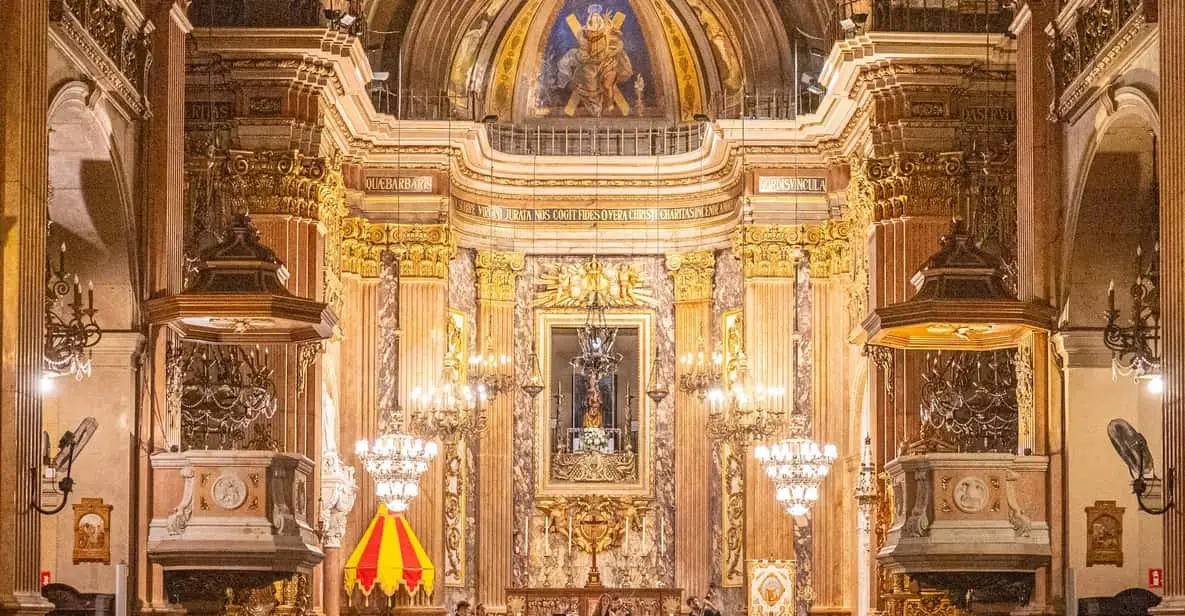 from $30
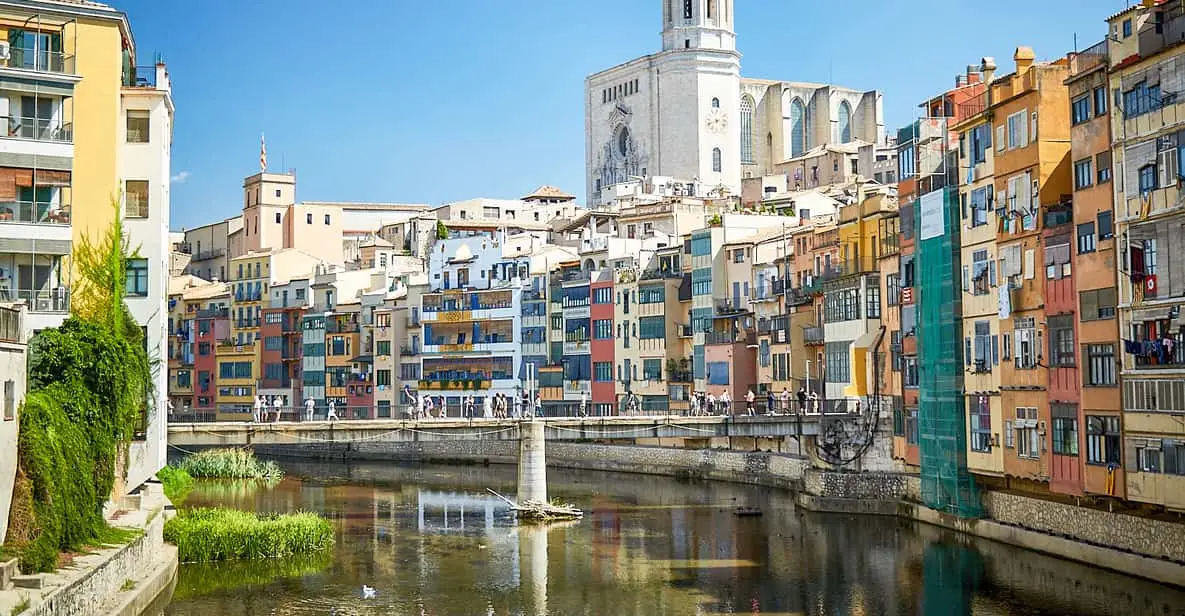
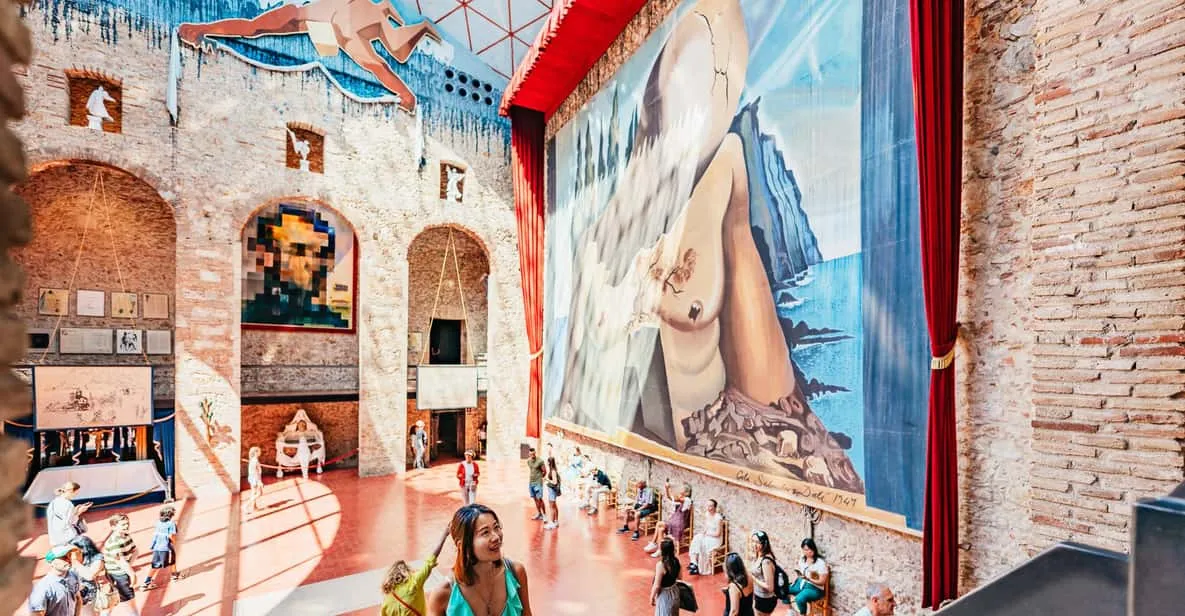
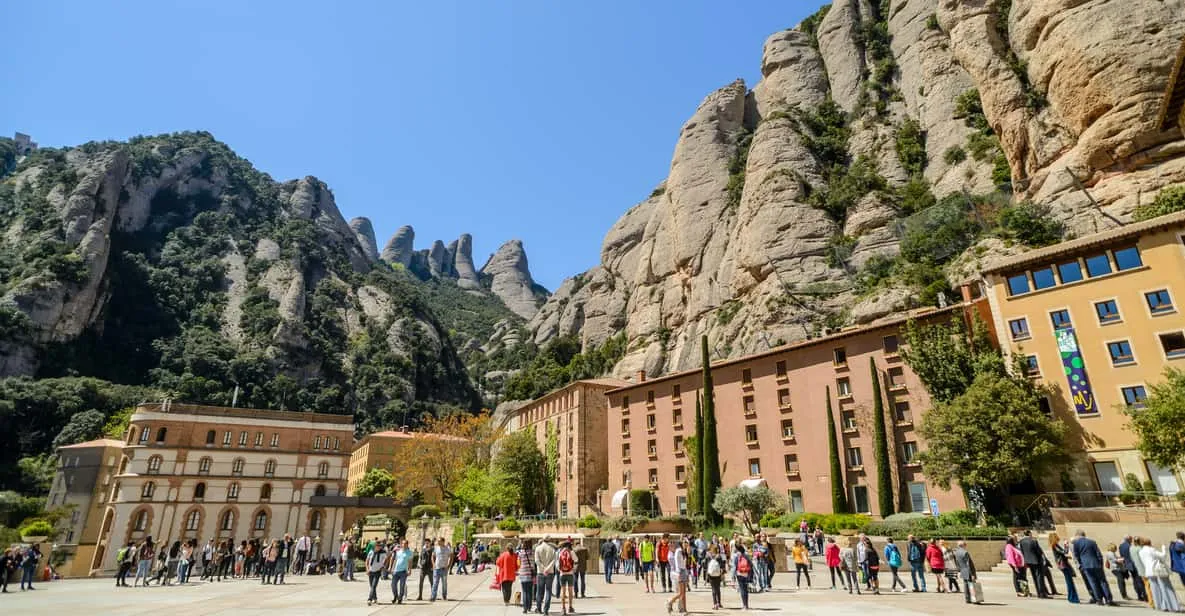
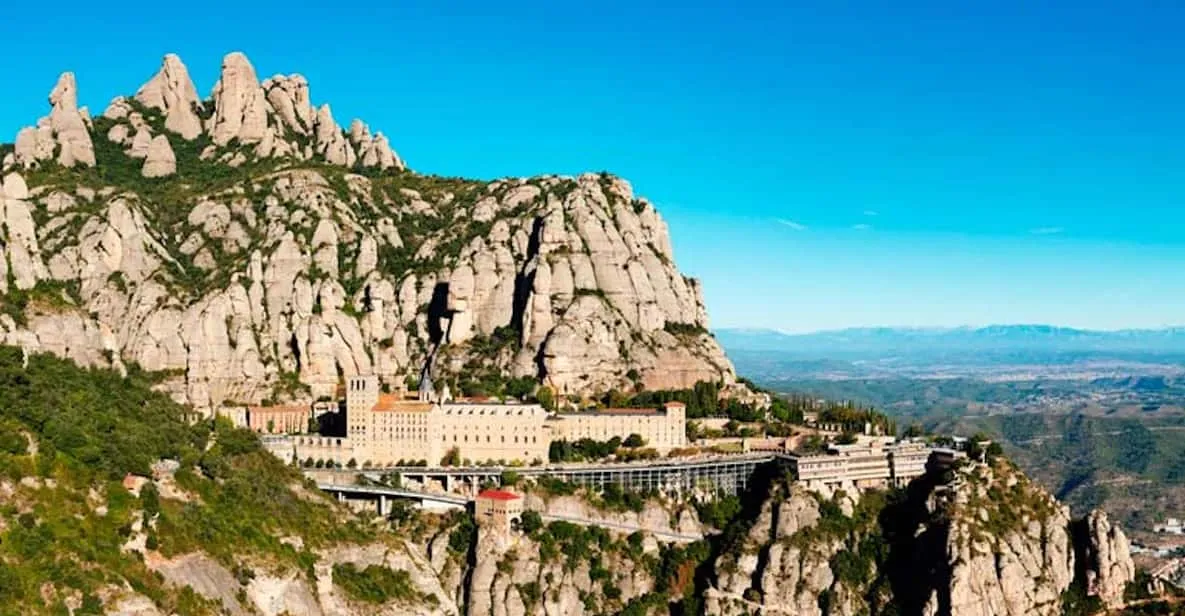
 Two of Catalonia's greatest museums lie outside Barcelona, close enough to reach in a day. Salvador Dalí built his own Theatre-Museum in Figueres, an hour and a half north, and it is as strange and brilliant as the man himself; the mountain monastery of Montserrat holds a museum with Caravaggio, Picasso and Dalí beside its famous Black Madonna. A guided day trip handles the transport and turns either into an easy escape from the city's museums.
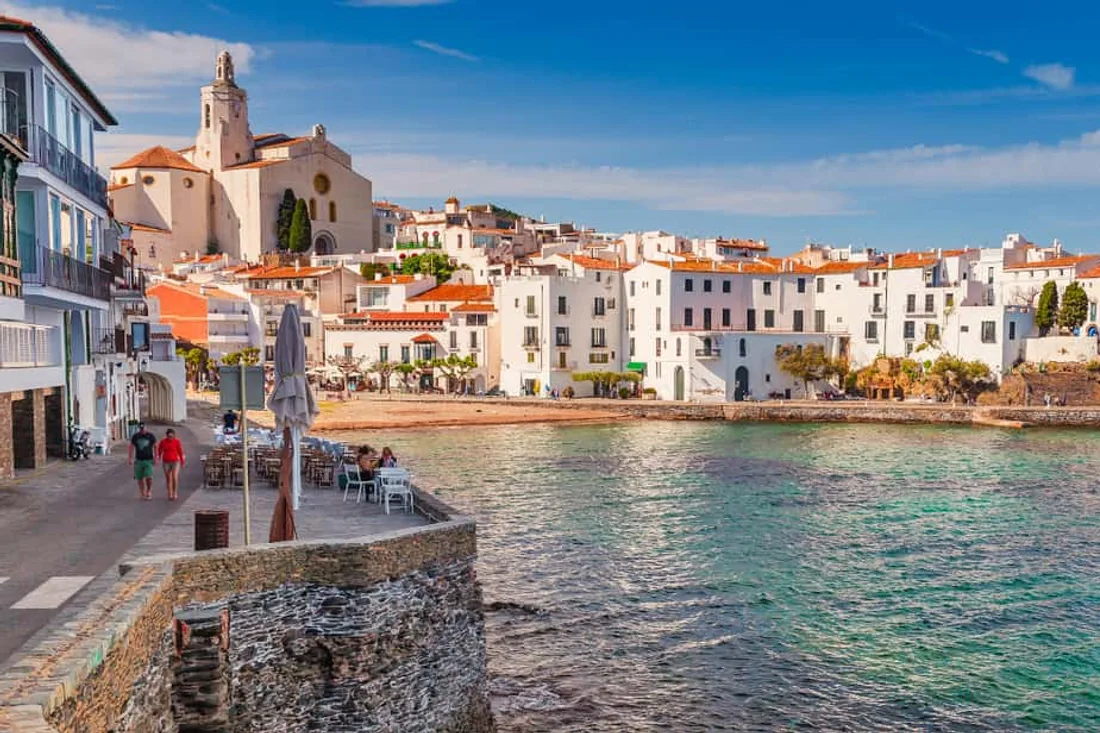
The artist's own surreal masterpiece in Figueres, often paired with medieval Girona and his seaside home in Cadaqués.
A mountain-top museum with Caravaggio, Picasso and Dalí, beside the Black Madonna and the famous boys' choir.
A restored medieval monastery near Manresa with a Romanesque cloister and a Modernista wing, well off the tourist trail.
A guided tour is the easy way to combine Figueres with Girona and Cadaqués in one day.
The Dalí day and the Montserrat day pull in opposite directions from Barcelona, so pick one per day. A guided tour spares you the train logistics and, for Dalí, bundles in Girona and Cadaqués that are hard to reach otherwise.
The Dalí Museum in Figueres is the maddest, most wonderful museum I have ever set foot in. Doing it as a tour with Girona and Cadaqués made a perfect full day out of Barcelona.
Montserrat is worth the trip for the mountain alone, and the museum has real Caravaggios and Picassos. We caught the boys' choir sing at midday. Take the rack railway up.
The small-group Dalí tour was relaxed and well-paced. Figueres is unforgettable and Cadaqués where he lived is beautiful. Long day but completely worth it.
Guided day trips to the Dalí Theatre-Museum in Figueres and tickets for the mountain museum and monastery of Montserrat and Món Sant Benet.
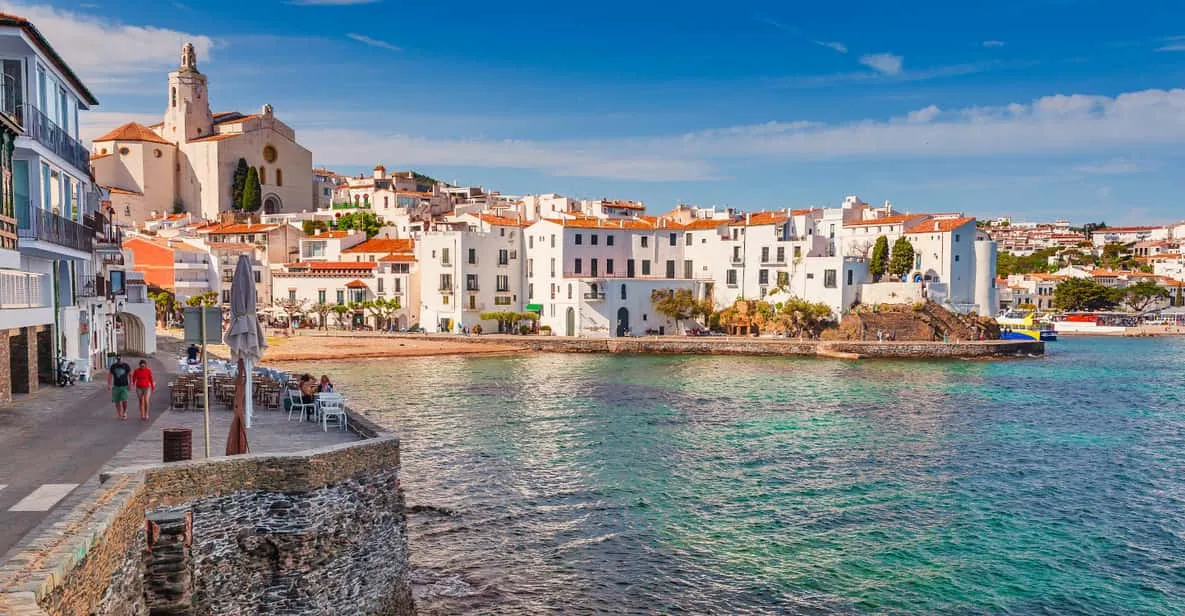 from $79
  from $74
  from $112
  from $26
  from $53
  from $20
 Five ways to spend a day among the museums in Barcelona without rushing. Each route groups places that sit within walking distance or one short metro ride of each other.
| Day plan | The route | Why it works |
|---|---|---|
| Gaudí essentials | Sagrada Família at opening → La Pedrera & Casa Amatller on Passeig de Gràcia → Park Güell in the late afternoon | The three headline Gaudí sights plus a house museum, all timed to dodge the worst crowds |
| El Born art day | Picasso Museum at opening → Moco & MEAM nearby → Chocolate Museum tasting | Three art museums and a sweet finish within a ten-minute walk in El Born |
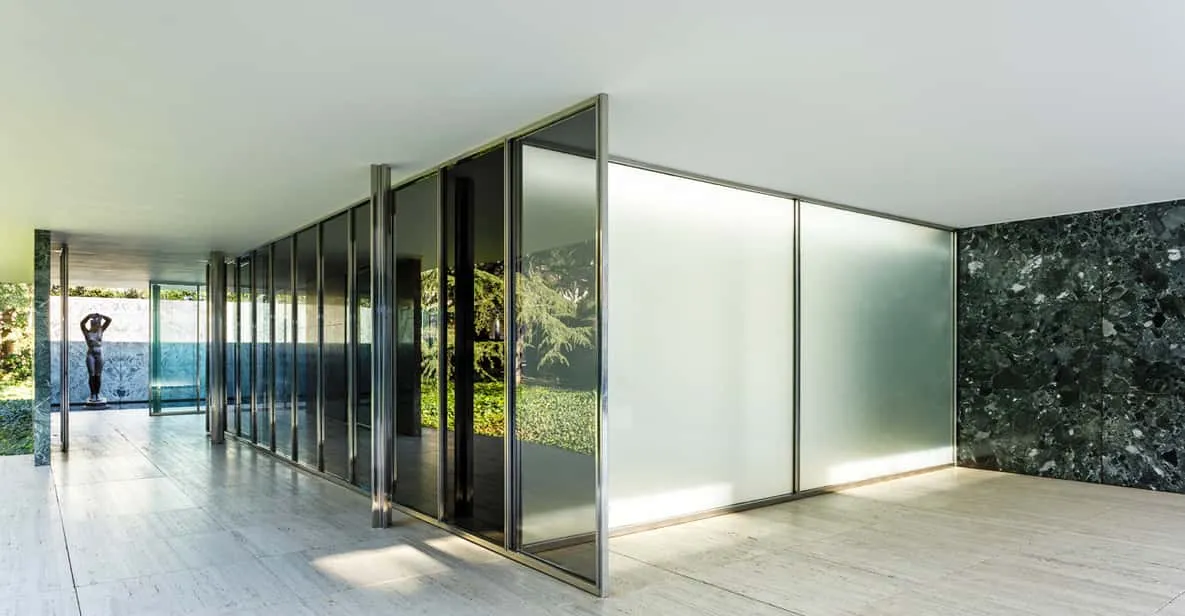
| Montjuïc day | MNAC and its terrace → lunch on the hill → Olympic & Sport Museum → Mies Pavilion | Catalan art, sport and modern architecture without leaving one green hilltop |
| Family day | Barcelona Aquarium at Port Vell → History Museum of Catalonia next door → Museum of Illusions | Hands-on, photo-friendly and mostly indoors, with no gallery fatigue for kids |
| Dalí day trip | Morning train or tour north → Dalí Theatre-Museum in Figueres → Cadaqués or Girona in the afternoon | Catalonia's most surreal museum plus a coastal or medieval town, in one full day |
You can see a lot of Barcelona's art without paying, if you time it right. Many of the city's public museums open free on the first Sunday of every month, and several also go free every Sunday afternoon after 3pm — including MNAC, the Picasso Museum and the History Museum of Catalonia. They are busiest then, and a few still ask you to reserve a slot, so arrive early.
Note that the privately run Gaudí sights and the pop-up museums like Moco and the Banksy show keep their prices whatever the day.
The most famous sight is the Sagrada Família, Gaudí's basilica and the most-visited attraction in the city. Among the traditional art museums, the Picasso Museum and the Museu Nacional d'Art de Catalunya are the best known, while the FC Barcelona Museum at Camp Nou draws some of the largest crowds of all.
If you only have time for a few, prioritise the Sagrada Família and Park Güell for Gaudí, the Picasso Museum for art, and La Pedrera for the classic Modernista rooftop. Football fans should add the FC Barcelona Museum, and anyone with a spare day should consider the Dalí Theatre-Museum in Figueres.
Barcelona has more than fifty museums, plus dozens of Modernista buildings and monuments that function as museums in their own right. They range from the vast MNAC to tiny single-theme collections like the Chocolate Museum and the Egyptian Museum.
The Picasso Museum and the MNAC both close on Mondays, as do several of the smaller art museums. The Gaudí sights — the Sagrada Família, Park Güell and La Pedrera — stay open every day, so a Monday is best spent on Gaudí and the private museums.
For the Gaudí sights, yes. The Sagrada Família, Park Güell and La Pedrera all run on timed entry that sells out days ahead in high season, so book those before you arrive. The Picasso Museum is worth reserving too. The smaller museums you can usually walk into on the day.
It depends on your trip. The Articket pays off from the third art museum, and the Barcelona Card is worth it if you also want free public transport. Neither covers the Gaudí sights, which need separate tickets. See our full Barcelona museum pass breakdown above for the maths.
The Barcelona Aquarium and its shark tunnel is the reliable winner, backed by the hands-on Museum of Illusions and Paradox Museum. The Chocolate Museum, where the ticket is a bar of chocolate, and the interactive History Museum of Catalonia also go down well.
Many public museums, including MNAC, the Picasso Museum and the History Museum of Catalonia, open free on the first Sunday of the month and every Sunday after 3pm. See our free museums in Barcelona section for the full list. The privately run Gaudí sights keep their prices whatever the day.
Two to three is realistic without rushing, if you group them by area. El Born clusters the Picasso Museum, Moco and the Chocolate Museum; Montjuïc links MNAC and the Olympic Museum; and Passeig de Gràcia pairs La Pedrera with Casa Amatller. See the one-day itineraries above for five ready-made routes.
There is no Dalí museum in Barcelona itself. The Dalí Theatre-Museum is in Figueres, about 140 km and 1.5 to 2 hours north, reachable by high-speed train or on a guided day trip that often adds Girona and the artist's home in Cadaqués.