
Is the Mies van der Rohe Pavilion Worth Visiting in Barcelona?
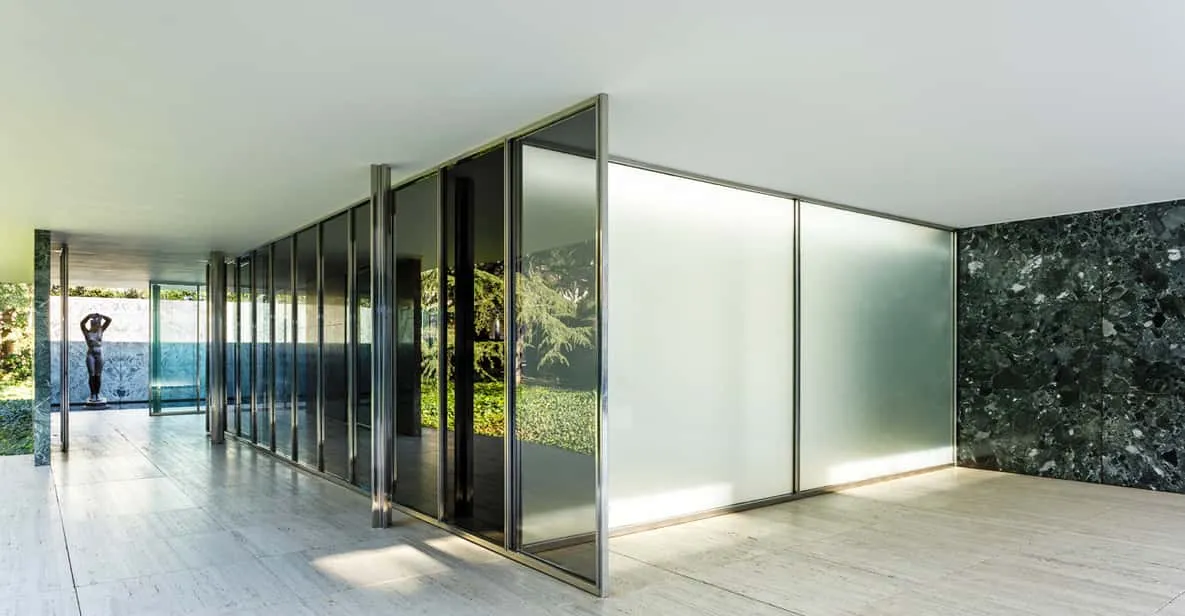
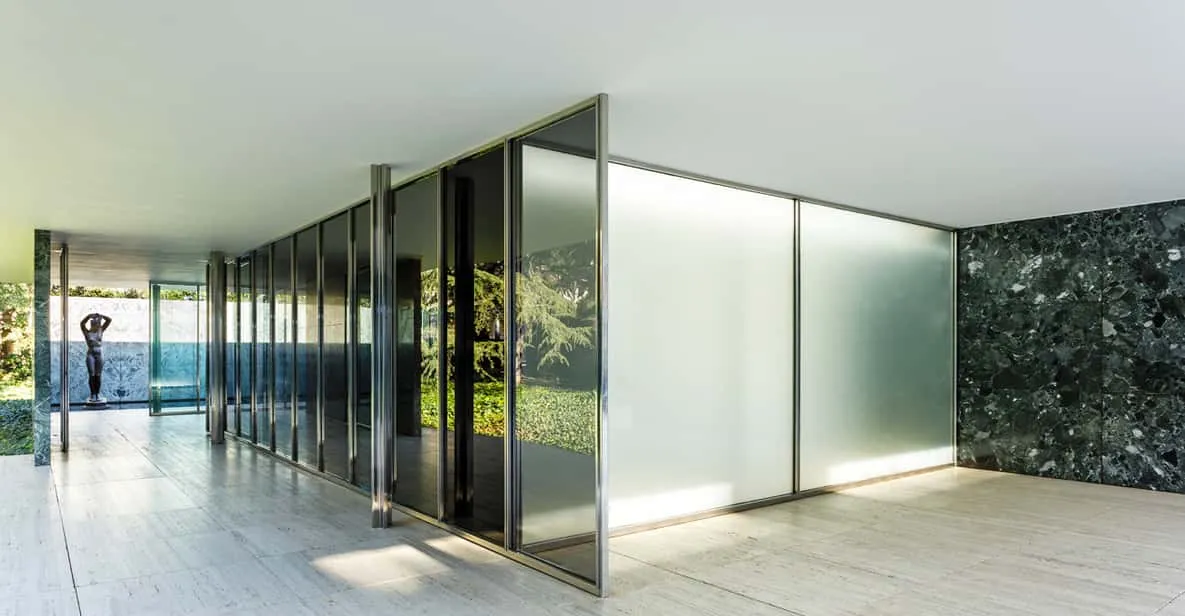
On a quiet stretch of Montjuïc, a low glass and marble structure sits so still that most passersby have no idea it changed the course of architecture. The Mies van der Rohe Pavilion, the rebuilt German national pavilion from the 1929 International Exposition, packs travertine walls, a golden onyx slab and a single iconic chair into a visit that takes under an hour. Here is what the ticket includes, what the space actually looks like inside, and how to fit it into a day among the other museums in Barcelona.
About This Experience
Av. Francesc Ferrer i Guàrdia, Montjuïc, a short walk from Plaça d'Espanya
Espanya, served by lines 1 and 3
Roughly 10:00 to 20:00 daily, hours change seasonally, confirm on the official site
$10 per adult, audio guide included with the ticket
A faithful reconstruction of the 1929 German national pavilion, demolished in 1930 and rebuilt on the original site in 1986
The golden onyx wall, two reflecting pools and the original Barcelona Chair designed for this building
Check Live Availability & Prices
Prices and time slots are pulled live, so you can confirm today's rate before you plan the rest of your Montjuïc afternoon.
What the Pavilion Ticket Includes
A single ticket covers full entry to the pavilion plus the audio guide, which walks you through why Ludwig Mies van der Rohe's design broke so completely from the ornate exposition halls that surrounded it in 1929. There is no group tour built into the price, so you move at your own pace through the open floor plan, reading panels along the way. The pavilion suits architecture fans, design students and anyone curious how a building with no fixed rooms can still feel composed and deliberate.
Because the site is small, most visitors treat it as a quick stop rather than a half-day outing, which makes it easy to pair with the grander art collections nearby. If you are mapping out a Montjuïc afternoon, see the best museums in Barcelona before you plan your route.
Book Your Pavilion Ticket
One straightforward ticket gets you into the reconstructed pavilion with audio guide included.
from $10 Mies van der Rohe Pavilion Ticket
- Icon of modern design
- Barcelona Chair setting
- Audio guide included
Side by Side
| Tour | Duration | Price | Book | Rating | Best for |
|---|---|---|---|---|---|
| Pavilion Ticket & Audio Guide | 30 to 45 minutes | $10 | Check | 4.6★ | Architecture and design fans |
What You'll See
The building reads as a series of floating planes rather than enclosed rooms, so the walls themselves become the exhibit. Every surface, pool and column was chosen to demonstrate a material or a structural idea, and the audio guide points out details easy to walk past on a quick lap.
- Travertine and green Alpine marble walls that frame each view
- The golden onyx wall, cut from a single quarried block
- Two reflecting pools, the larger flanking the entrance terrace
- Georg Kolbe's bronze sculpture Alba, also known as Dawn, standing in the smaller pool
- Chrome-plated cruciform columns holding up a flat roof with no interior load-bearing walls
- Reproductions of the original Barcelona Chair, designed for this pavilion in 1929
- The flowing indoor and outdoor floor plan that erased the line between inside and out
- Interpretive panels on the 1930 demolition and the 1986 reconstruction on the same site
How a Visit Flows
-
0 to 5 min
Arrive and collect the audio guide
Show your ticket at the small entrance desk near Plaça d'Espanya and pick up the included audio guide before stepping onto the terrace.
-
5 to 15 min
The entrance terrace and larger pool
Take in the travertine terrace and the first reflecting pool, where the flat roof and cruciform columns set the scale for everything that follows.
-
15 to 25 min
The main hall and onyx wall
Walk through the open hall to the golden onyx wall, pausing to notice how the green marble and glass panels divide the space without closing it off.
-
25 to 35 min
The smaller pool and Kolbe sculpture
Step outside to the quieter courtyard pool, where Georg Kolbe's Alba stands, a detail many first-time visitors almost miss.
-
35 to 45 min
The Barcelona Chair setting
Finish near the reproduction Barcelona Chairs, positioned close to where the originals sat for King Alfonso XIII's 1929 opening visit.
-
45 min
Exit toward Montjuïc
Head out toward the surrounding gardens and Montjuïc's other sights, or back down to Plaça d'Espanya for the metro.
Know Before You Go
Not suitable for
- Visitors expecting large art or historical collections rather than architecture
- Strollers on the narrower interior walkways during busy periods
- Anyone in a rush, since the audio guide rewards a slower pace
What to bring
- A camera or phone, since photography is welcome throughout
- Comfortable shoes for the polished stone floors
- Sun protection if you are visiting the outdoor terrace at midday
- Cash or card for the small gift kiosk near the entrance
Not allowed
- Sitting on the original-style Barcelona Chairs on display
- Large backpacks or suitcases inside the pavilion
- Flash photography near the onyx wall
Insider Tips
A handful of small habits make the difference between a rushed walk-through and a visit that actually lands.
- Arrive close to opening to have the reflecting pools without a crowd in your photos
- Read the demolition and reconstruction panels first, they change how you see everything after
- Combine the stop with MNAC or the Olympic and Sport Museum, both a short walk away on Montjuïc
- Bring the audio guide's pace down rather than speeding through, the building rewards it
- Check opening hours before you go since they shift with the season
- Visit late afternoon for warmer light on the travertine walls
Where You're Headed
Mies van der Rohe Pavilion Tickets FAQ
How much does the Mies van der Rohe Pavilion ticket cost?
The standard ticket is $10 per adult and includes the audio guide. Prices can shift slightly, so it is worth checking current rates before you go.
What are the opening hours?
The pavilion is generally open from around 10:00 to 20:00, though hours change seasonally. Confirm the current schedule on the official site before planning your visit.
How do I get there by metro?
The closest stop is Espanya, served by lines 1 and 3, from which it is a short walk along Av. Francesc Ferrer i Guàrdia toward Montjuïc.
Do I need to book in advance?
Booking ahead is recommended, especially in peak season, since it guarantees your slot and lets you skip lining up at the small entrance desk.
What will I see inside?
Expect travertine and marble walls, the golden onyx wall, two reflecting pools with Georg Kolbe's sculpture Alba, chrome cruciform columns and reproductions of the original Barcelona Chair.
Is the current pavilion the original 1929 building?
No. The original was demolished in 1930 after the exposition closed, and the structure you visit today is a faithful reconstruction completed on the same site in 1986.
What Visitors Say
I studied this building in architecture school and finally seeing the onyx wall in person was worth the whole trip to Barcelona.
Smaller than I expected but the audio guide explains everything so well that I stayed twice as long as planned.
A calm, quick stop after the crowds at Park Güell. The reflecting pool with the sculpture is beautiful in the morning light.